This is years ago….


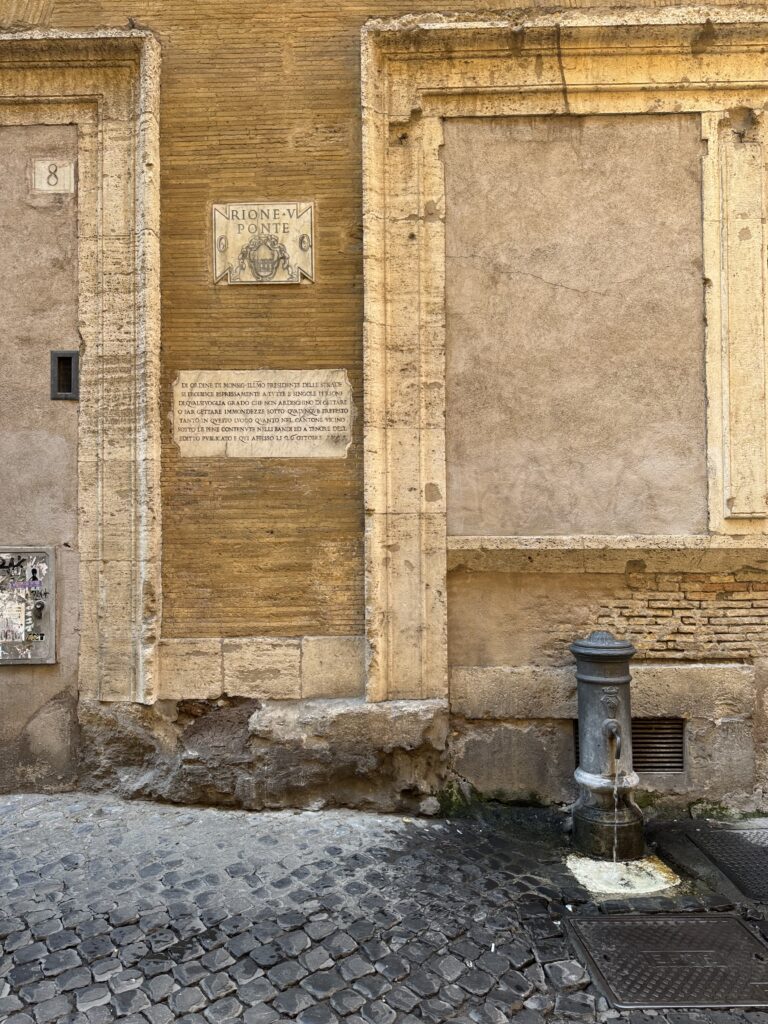 There is a lot of “Rome” in this photo. Nasone, sanpietrini, walled-up door, rione sign, mondezzaro sign… have a closer look…
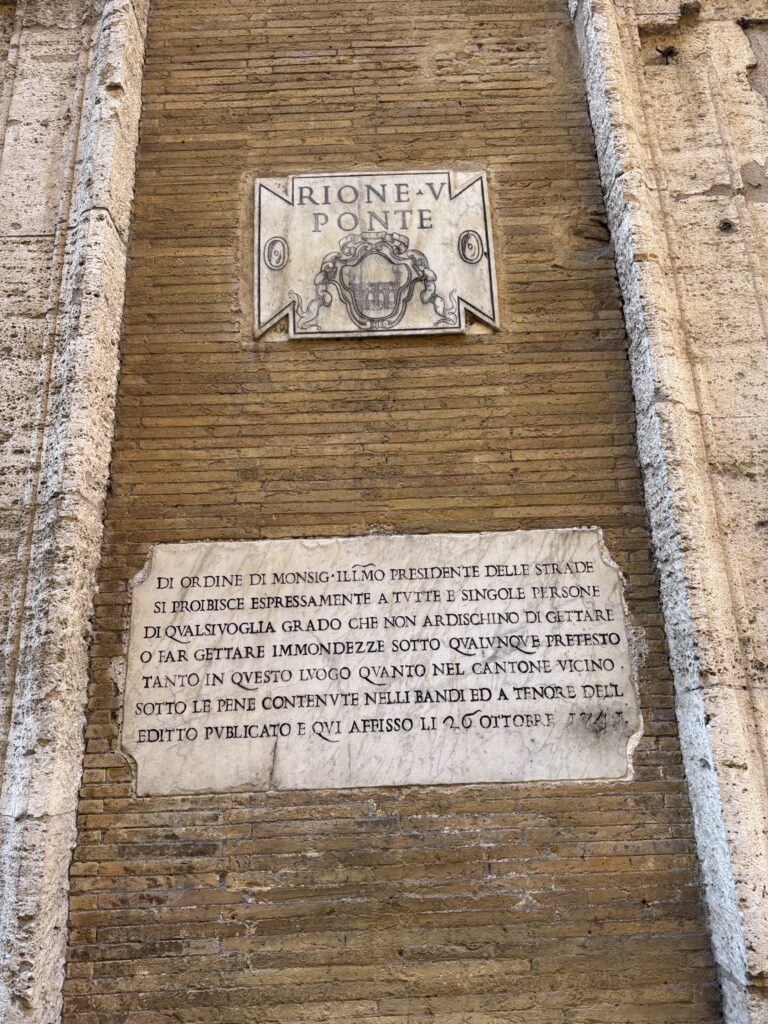 and … closer….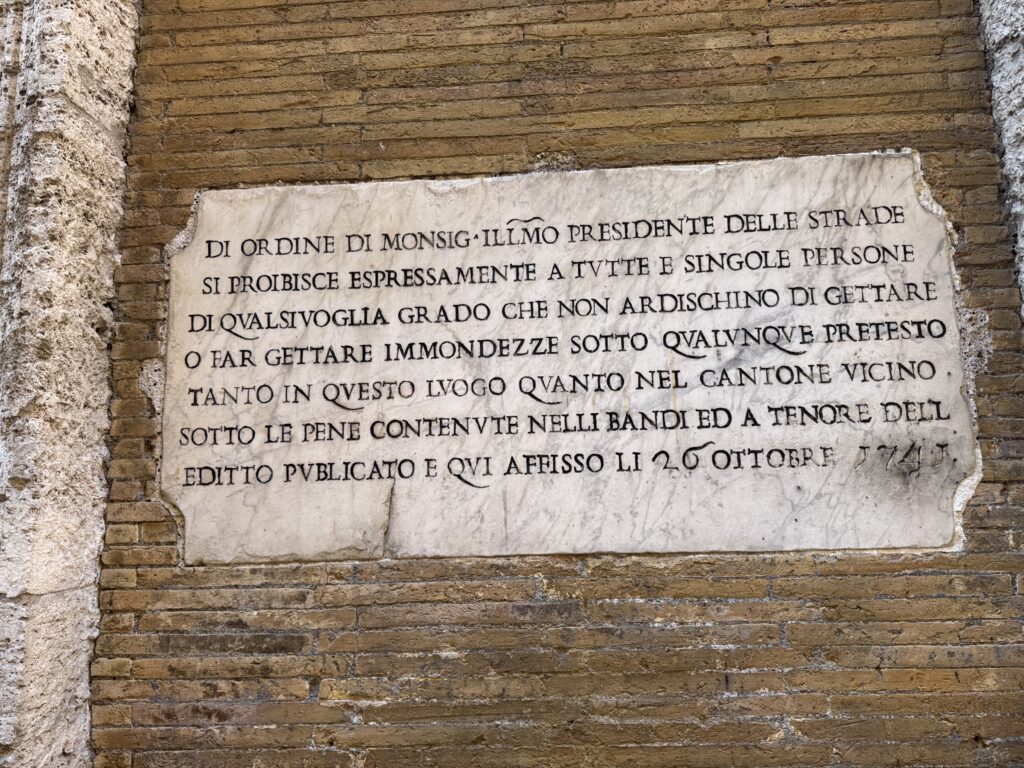
Did you get it?
Meanwhile… 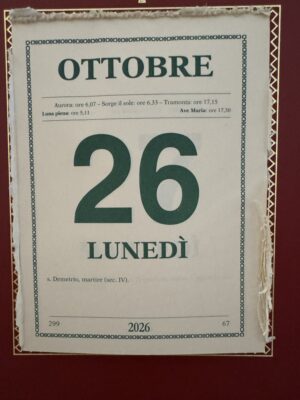
Over Rome the sun did it’s thing at 06:33.
It goes on strike at 17:15.
The Ave Maria Bell is in the 17:30, but that’s not solar time.
Inter alia… it is the Feast of St. Quadragesimus, a subdeacon, who raised a dead man to life.
We need more names like that.
White mates in 4.
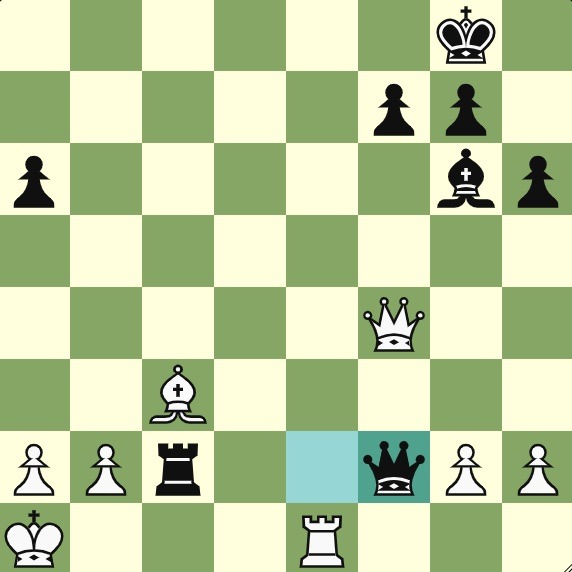
NB: I’ll hold comments with solutions ’till the next day so there won’t be “spoilers” for others.
Medieval rube goldberg machine https://t.co/8Ubop92NY8
— MedievalistMatt (@medievalistmatt) October 26, 2026
About the goat rodeo in Rome… I don’t understand the inconsistent spelling… but… more information is coming.
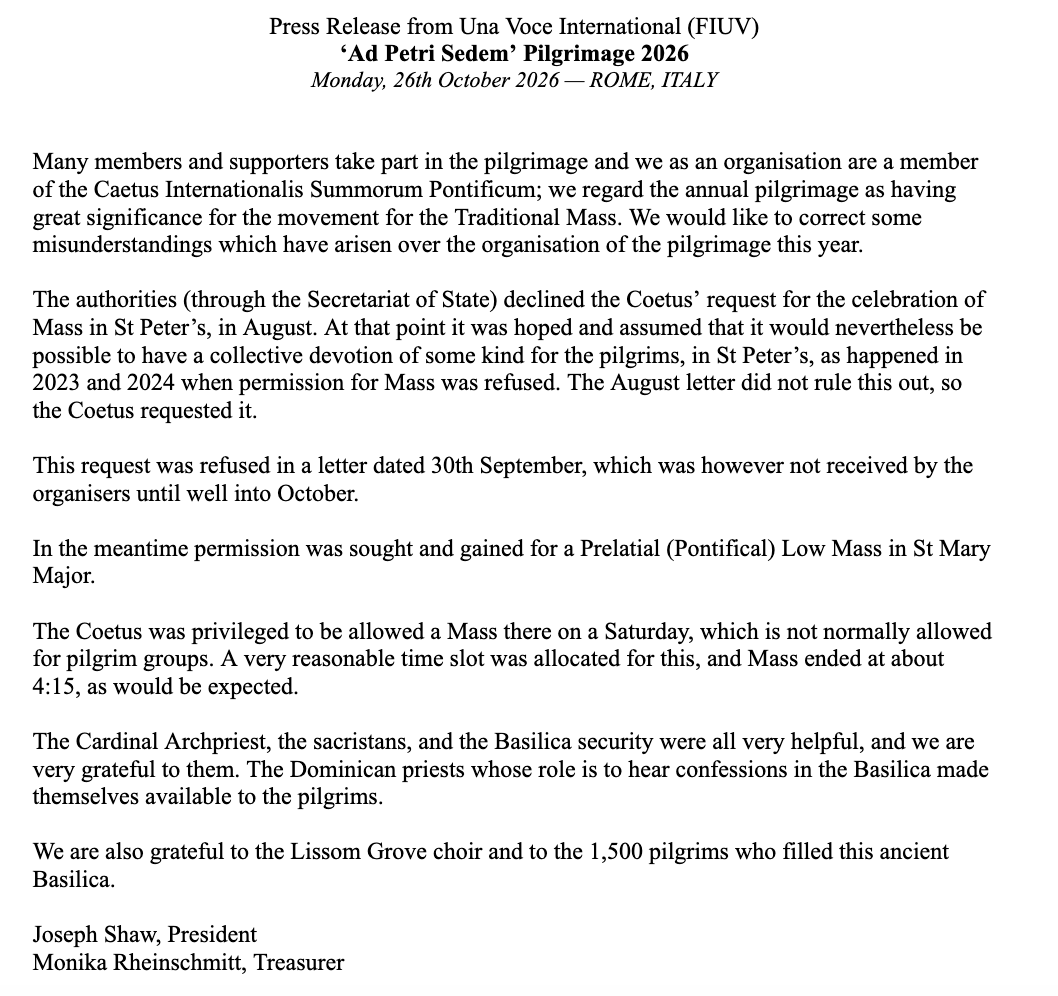
More proof that the world is upside down…
I never thought I’d see an NFL ball carrier penalized for running the ball too hard… Running defenders over is literally his job… 🤷♂️ #LakeBoss 🇺🇸 https://t.co/2ifNAl7Mfn
— Lake Boss 🚤🐟🐕🦺🇺🇸 (@LakeBoss) October 26, 2026
I think we should put AI in this thing… and on those creepy robotic dogs and then heavily arm them.
What could go wrong?
TESLA OPTIMUS TORE UP A STAGE IN DELHI IN 15 SECONDS
The festival paid $90,000 for it to walk out and wave
But the moment the drums hit, it went into bhangra like it was born in Punjab
One leg hops, shoulders on the beat, a squat and a spin without a single pause
The dancer who was up next took off his costume right backstage
The host kept yelling this wasn’t in the program, but nobody could hear him
The clip hit 40 million views overnight and Elon still hasn’t said a word
Who taught it this ?
— Shredder (@Shred_0x) October 25, 2026
What you have been waiting for all month, I’m sure, knowing that soon it would be St. Crispin’s.
The 3rd c. martyrs Crispin and Crispinian were killed in Soissons. They converted people as they plied their trade as cobblers and they were generous to the poor. They were persecuted by the local governor and eventually beheaded around on 25 Oct 286 in the time of the Emperor Diocletian. A different version has them in England, in Faversham, which is surely the version Shakespeare worked with. St. Eligius made a reliquary for the head of Crispinian.
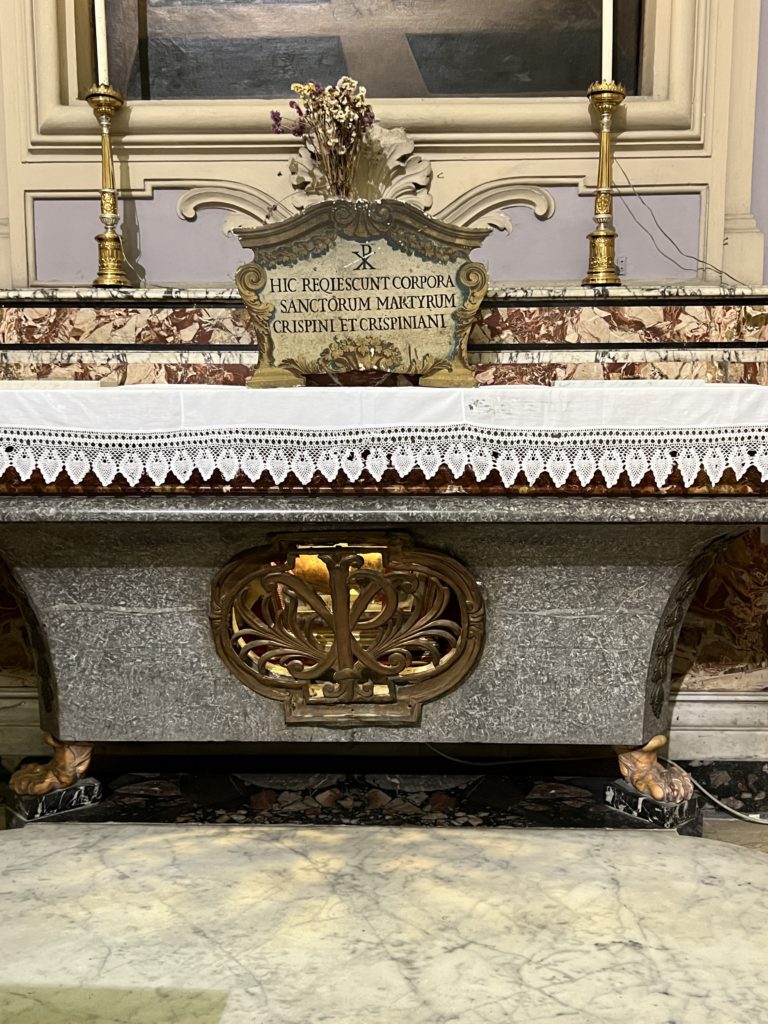
Their remains are in the Basilica of San Lorenzo in Panisperna. Their altar and urn in the church.
“This day is called the Feast of Crispian…”, indeed, Sts. Crispin and Crispinian. Here is their altar and urn in the church, San Lorenzo in Panisperna, which is nearly always closed (I suspect due to sheer laziness).
“This day is called the Feast of Crispian…”
Now let get to the famous speech. I’ll bet more than one of you has it memorized.
Other times I posted this roundup there were great comments, especially from our long lost Semper Gumby whose observations we sorely miss and hope to enjoy again very soon. I really miss him. I should send Tracer Bullet out to find him.
Henry V (1944) directed by and starring Lawrence Olivier
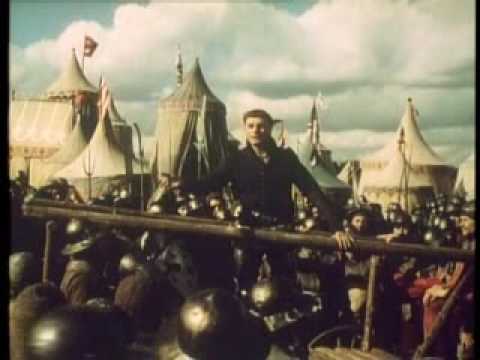
Henry V (1989) directed by and starring Kenneth Branagh

Richard Burton’s version:
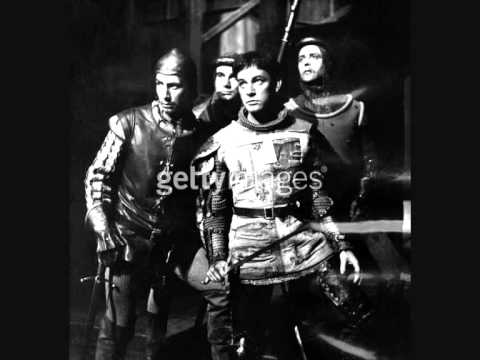
Tom Hiddleston from the Hollow Crown series. US HERE UK HERE
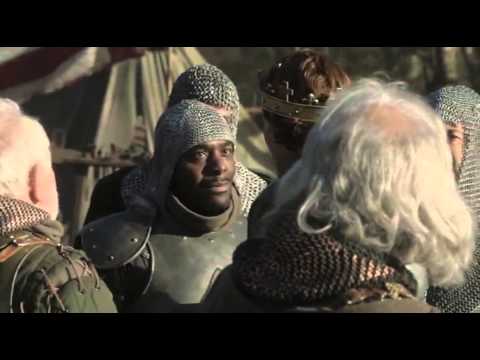
RATS…. gone.
This instead… Renaissance Man with Lillo Brancato, Jr.

Here is another, from the well-reviewed Globe production.

Happy Feast of Sts. Crispin and Crispinian.
And let the revival of our liturgical worship continue.
The numbers of Holy Masses in the Extraordinary Form are growing, though but slowly.
Also, I fear that the number of bishops, priests and laity who accept what the Church teaches about marriage is shrinking.
For now content us saying “the fewer men, the greater share of honour”.

And remember… Latin is tooooo haaaaard for children.
They can’t possibly be expected to put on different clothing and recite something lofty from memory.


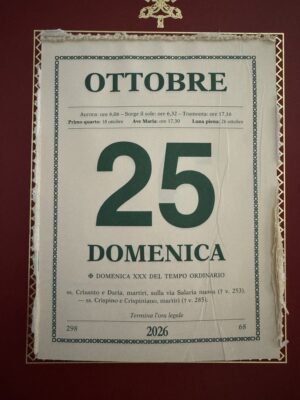 In the course of things, dawn broke over Rome and some confused, angry and misled pilgrims and denizens at 06:32. During the night, we went off the “daylight savings” here and so we gained back an hour of sleep. The sunset was therefore also later by the clock, now close again to solar time, at 17:16.
Therefore the Ave Maria for the Curia adjusted to 17:30, but solar Ave Maria was at 17:36.
Today in the Vetus Calendar we celebrated the Feast of Christ the King with its wonderful texts about Our Lord being King of everything meaning also all social entities.
Also on the calendar today are Santi Crispino and Crispiniano of King Henry V fame and the Battle of Agincourt in 1415. “Today….” you know how it goes!
Welcome registrants:
DavaoDan
Franciscan91
I was out to lunch at the dependable Elle Effe with a couple from the USA. What they had.
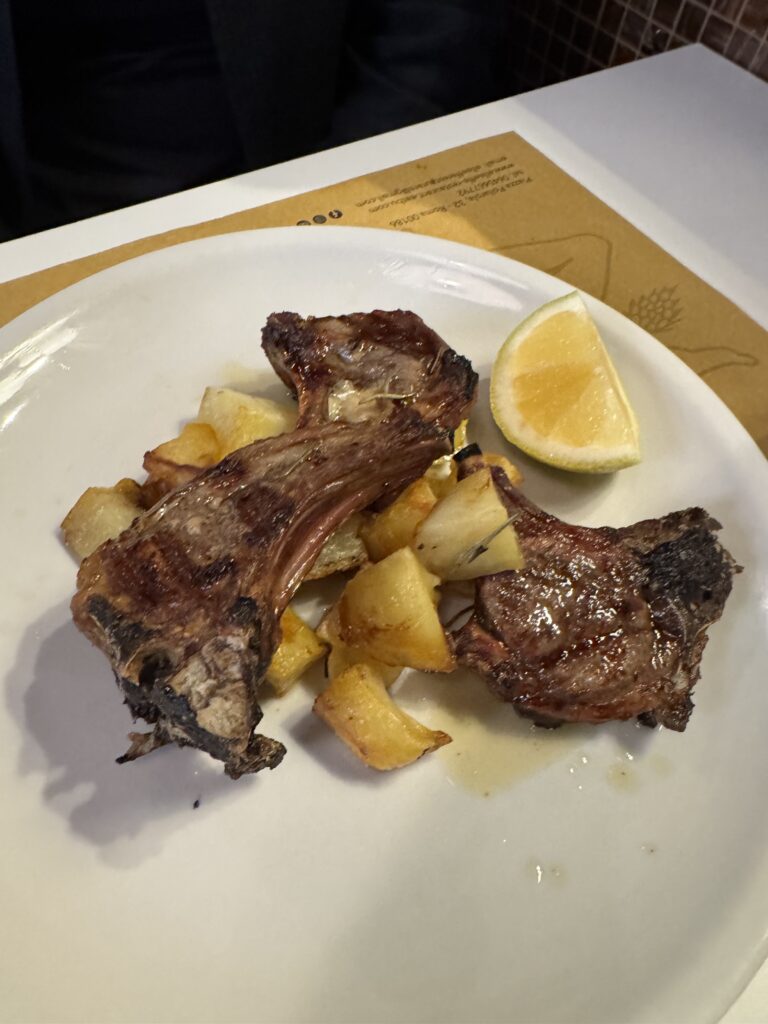
Scottadito.
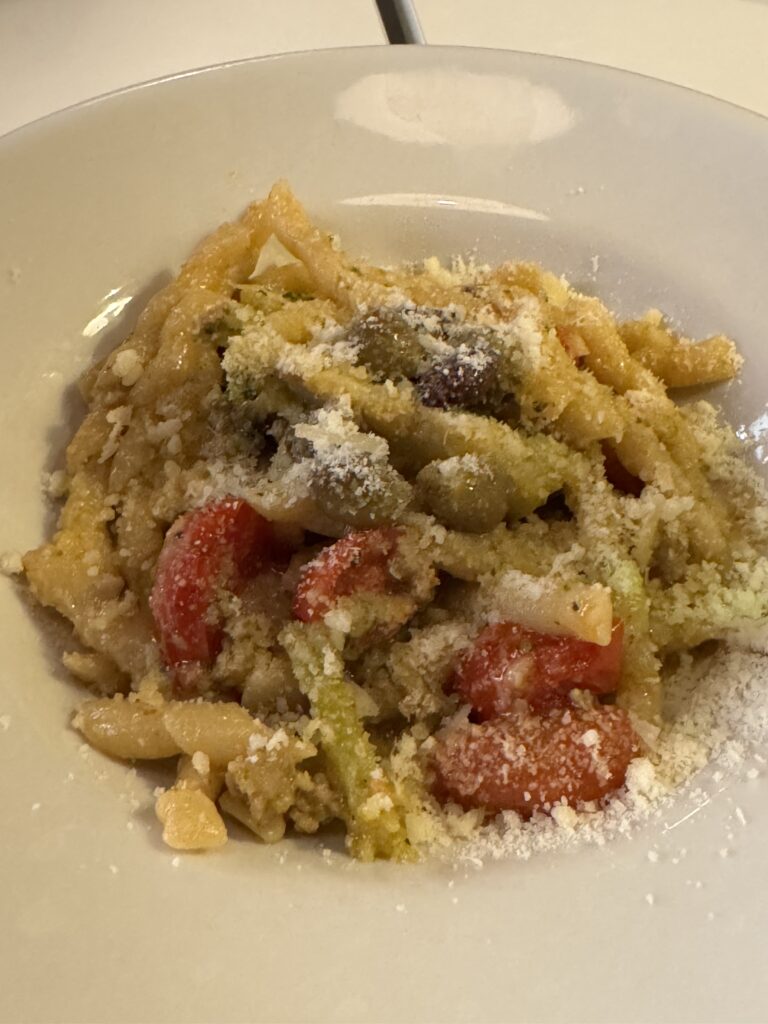
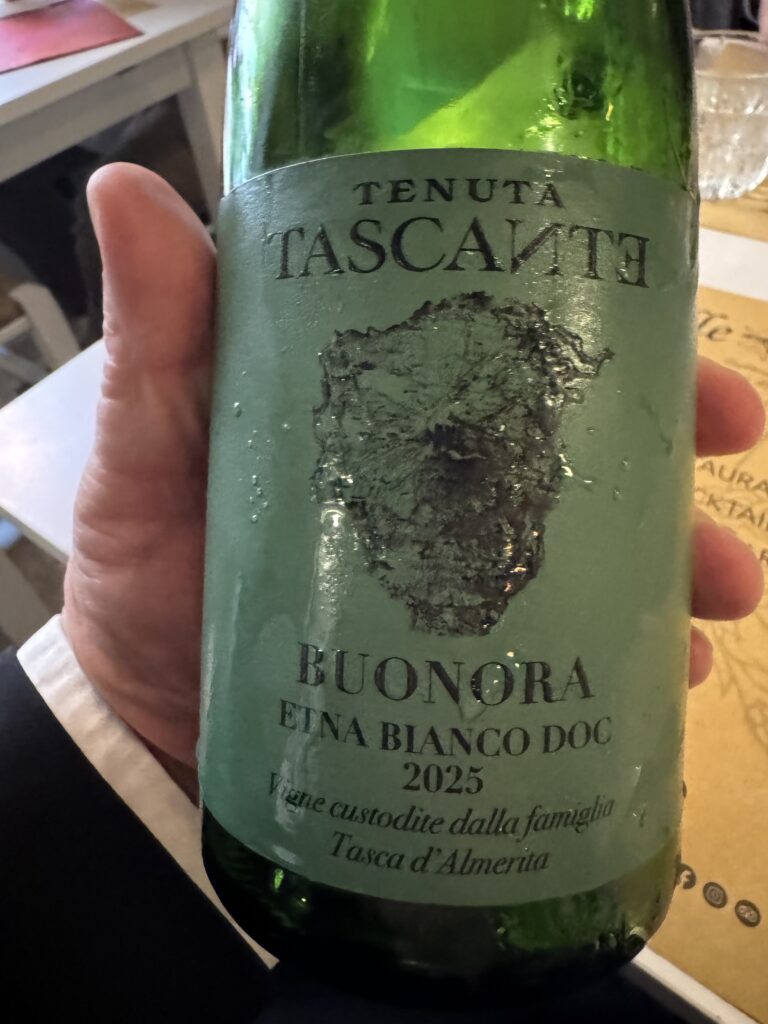
I’m trying to remember what this was … looks like fusilli… so Pasta Siciliana. Elle Effe is a Roman/Sicilian venture. Tell them “don John” sent you. If you want a white wine, you will not make a mistake with their Catarratto. If they are out, Leone.
But we tried…. and “santa mucca” it was great.
I love this medievalist’s wicked sense of humor…
Happy Sunday 🙂 https://t.co/zpCdwAUSQz
— MedievalistMatt (@medievalistmatt) October 25, 2026
BTW… I’ve seen a great many things… stupid things… harmful to the Cause posted about what went one and what didn’t go on during the Summorum pilgrimage. I’ll post about it. This is just to say, do NOT just go with “oh…they are being so mean to us”. There’s more to it and involves, frankly, both incompetence and prevarication. The truth will out. I’m still gathering the threads.
THIS… is far more important…
Robin Yount walked out to throw the first pitch at the first Brewers World Series game in 44 years, and he was wearing another man’s jacket.
A plaid sport coat. One of Bob Uecker’s actual ones, off the rack in his closet.
Yount is the one who asked.
When he found out he had the first pitch, he went to Brewers broadcaster Lane Grindle and asked whether it would be appropriate to wear a plaid jacket in honor of Ueck. Grindle told him he thought it would be incredible.
Then Grindle went a step further and asked Uecker’s family whether the crew could borrow the real coats.
They said yes right away.
So Yount walked to the mound in Bob Uecker’s jacket. And then on the mound he took it off.
Underneath was a Brewers jersey. Number 19. UECK across the back.
The entire radio crew wore the coats too. Josh Maurer got the one Uecker wore in the Miller Lite commercial with Whitey Ford and John Goodman, which is also the coat he is wearing on the cover of Catcher in the Wry. The engineer, Kent Sommerfeld, wore the one from the commercial Uecker did with John Madden.
Outside the ballpark, people were setting Miller Lite cans down at the foot of the Uecker statue. Ryan Braun got the crowd to shout for Ueck before the game.
Now understand why it had to be Yount.
He played 20 seasons and every single one of them was in Milwaukee. He was the starting shortstop on Opening Day of 1974, at 18 years old, and he did not stop until 1993.
Bob Uecker had been in that radio booth since 1971.
Which means Uecker called every game Robin Yount ever played. All 2,856 of them.
And in 1982, the last time this franchise got here, Yount was the Most Valuable Player in the American League. He hit .414 in that World Series with a home run and six runs batted in.
Milwaukee lost it in seven games.
Yount finished with 3,142 hits, all of them in a Milwaukee uniform, and he won a second Most Valuable Player award in 1989 after a shoulder problem moved him to the outfield. Only two men before him had ever won it at two different positions.
Uecker did not make it to this one. He passed in January of last year at 90 years old, after 54 seasons calling Brewers games, and the team got back to the World Series twenty-one months later. The broadcast booth has his name on it now, which is not the same as having him in it.
Milwaukee beat Tampa Bay 3 to 2.
A man who gave one city his entire playing career walked to the mound carrying the coat of the man who described all of it, took the coat off, and showed everybody whose name he had on his back.
— the Sports ON Tap (@thesportsontap) October 24, 2026
White mates in 4.
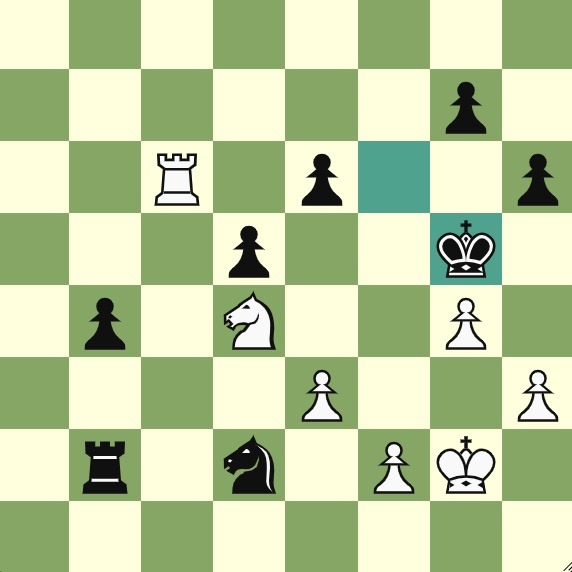
NB: I’ll hold comments with solutions ’till the next day so there won’t be “spoilers” for others.
Please remember me when shopping online and use my affiliate links. US HERE – WHY? This helps to pay for health insurance, utilities, groceries, and now also my late mother’s place. At no extra cost, you provide help for which I am grateful.
My Sunday Mass intention today is for my benefactors, those of you who donate regularly, ad hoc, or send things.
Too many people today are without good, strong preaching, to the detriment of all. Share the good stuff.
Was there a GOOD point made in the sermon you heard at your Mass of obligation for this Feast of Christ the King (Last Sunday of October) in the Vetus Ordo and in the Novus Ordo the 30th Ordinary Sunday?
Tell us about attendance especially for the Traditional Latin Mass. Where I was, at The Parish™, it was completely jammed. It is the end of the Summorum Pontificum pilgrimage.
Any local changes or (hopefully good) news?
A taste of what I offered at 1 Peter 5 this week.
[…]
Three years later, in Quas primas (11 December 1925), Pius established the Feast of Christ the King, fixing its celebration on the last Sunday of October, the month Communists dedicated to their “permanent revolution”, namely, pursue goals with no compromise with the opposition. That phrase, “permanent revolution”, which is coming into ominous vogue again today, was penned in 1844 by Karl Marx in a work diabolically called The Holy Family. The Devil always tells you what he is doing.
One wonders what Papa Ratti would make of our seemingly interminable ecclesiastical processes of reimagining, restructuring, and permanent walking together, with their listening sessions and conclusions that somehow always seem to require still more listening sessions. “Permanent process” has a certain uncompromising revolutionary ring to it.
In any event, by placing Christ the King on the final Sunday of October, Pius XI situated the feast immediately before All Saints, All Souls and the month of November when Mother Church directs our attention toward the Four Last Things: Death, Judgment, Heaven, and Hell. November dovetails with Advent and its expectation of the glorious return of the Lord. Christ’s universal sovereignty, the triumph of His saints, the purification of the departed, and the judgment awaiting every soul are brought by the Feast into a close liturgical harmony. The Church gives us a mini-season within the “green time” for getting our priorities straight before moving again to penitential violet.
[…]
From Diane Montagna‘s substack:
Vatican Bars Annual TLM Pilgrimage from Entering St. Peter’s Basilica
According to organizers, the decision was communicated in a letter from the Vatican Secretariat of State.VATICAN CITY, 23 October 2026 — The Vatican will bar priests, religious and lay faithful participating in the annual Ad Petri Sedem pilgrimage from entering St. Peter’s Basilica on Saturday, Oct. 24, extending restrictions beyond the celebration of the traditional Latin Mass to the pilgrims’ customary gathering for prayer at the tomb of St. Peter.
According to the organizers, the decision was communicated in recent days in a letter from the Vatican Secretariat of State. “Your procession is not allowed to enter into St. Peter’s Basilica,” the letter stated, according to Christian Marquant, the pilgrimage’s chief organizer.
[…]
We’ve heard about various shrine and churches barring SSPX members…. but this isn’t an SSPX venture.
Or… we are all…. SSPX?….now?
Remember: It’s not just that they don’t like the traditional Roman Rite. They don’t like the people who want it.
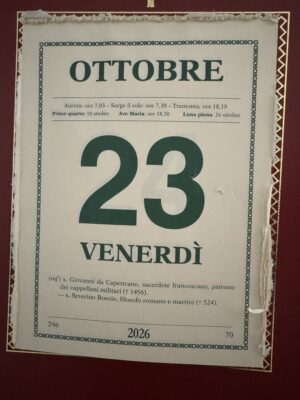 Sol hodie Romae ortus hora VII et XXVIII minutis, occidit hora XVIII et XX minutis. Campana autem <<Ave Maria>> pulsari debet hora XVIII et XXX minutis, decem minutis post solis occasum, Curia pro Romana.
Sol oritur. Sol occidit. Campanae sonant. Nos interim, miseri temporis viatores, horas minutaque ac secundas numeramus, quasi fugientem diem retinere possimus.
Tempus fugit. Deus aeternus est.
Cum igitur campana vespertina insonuerit, meminerimus nos in tempore vivere, sed ad aeternitatem vocari.
This…
Finally, an O with an attitude https://t.co/yYeYE9Aquq
— MedievalistMatt (@medievalistmatt) October 23, 2026
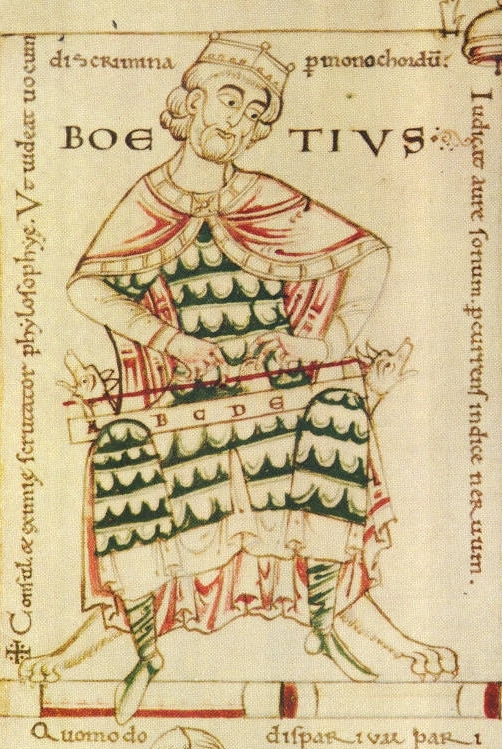 “A man content to go to heaven alone will never go to Heaven” – Boethius
What have you done, lately, to help someone get to Heaven?
Today is the feast of St. Severinus Boethius (+525), the author of the Consolation of Philosophy. He was a pivotal figure at the cusp of late Antiquity and what are called the Middle Ages.
Boethius was a member of an ancient Roman family. Among his accomplishments were translations and commentaries of Aristotle’s works on logic in Latin along with Euclid’s Elements. He also wrote on arithmetic, geometry, music, and perhaps astronomy and he coined the term quadrivium (four-fold way), the basis of education for centuries, now revived in a way in homeschool circles (thank you, Dorothy Sayers!).
Boethius was an important figure in the court of Theodoric the Ostrogoth. Theodoric would eventually come to believe that Boethius was conspiring against him and threw him in prison before executing him. While he was in prison, he composed the astonishingly influential Consolation of Philosophy.
Here is his entry in the Martyrologium Romanum:
6*. Papiae in Liguria, commemoratio sancti Severini Boetii, martyris, qui, scientia ac scriptis praeclarus, in carcere detentus tractatum scripsit de consolatione philosophiae et Deo usque ad mortem a Theodorico rege inflictam cum integritate servivit.
Who wants to take a crack at the Latin?
Take note that the entry calls him “Saint” Boethius. So does the official Vatican Curia’s calendar. He is celebrated as a saint in Pavia.
You may be interested to know that Boethius’ tomb is in the crypt of the same church where St. Augustine’s remains are interred: San Pietro in Ciel d’oro in Pavia, south of Milan.
Here is Lady Philosophy explaining God to Boethius in the guise of 15th c. France.
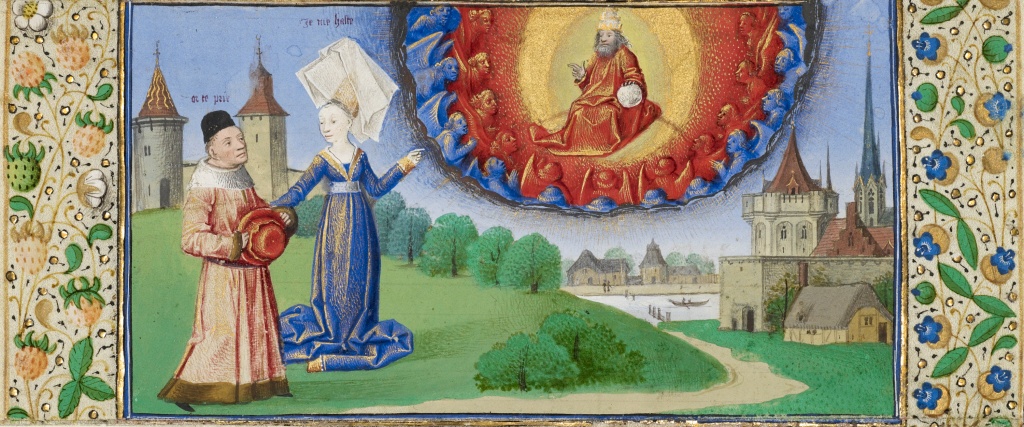
It’s too bad that hats are not more in style these days.
I always think of my friend Robert Darwin Crouse on this day. What a great gentleman and scholar.
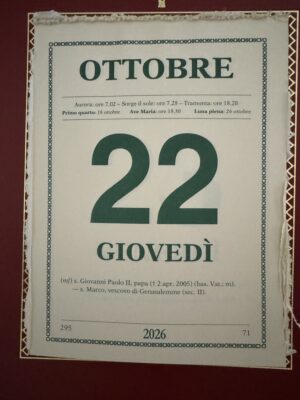 On this Feast of St. John Paul II the sunrise over his former See was at 07:28.
The sun set with lovely colors at 18:20.
Ave Maria would have been at 18:30 for the Curia… according their calendar.
Colors. This is the time of year here for lovely light in the evenings. There is a glow that’s hard to catch with a camera.
Welcome Registrant:
Carolo
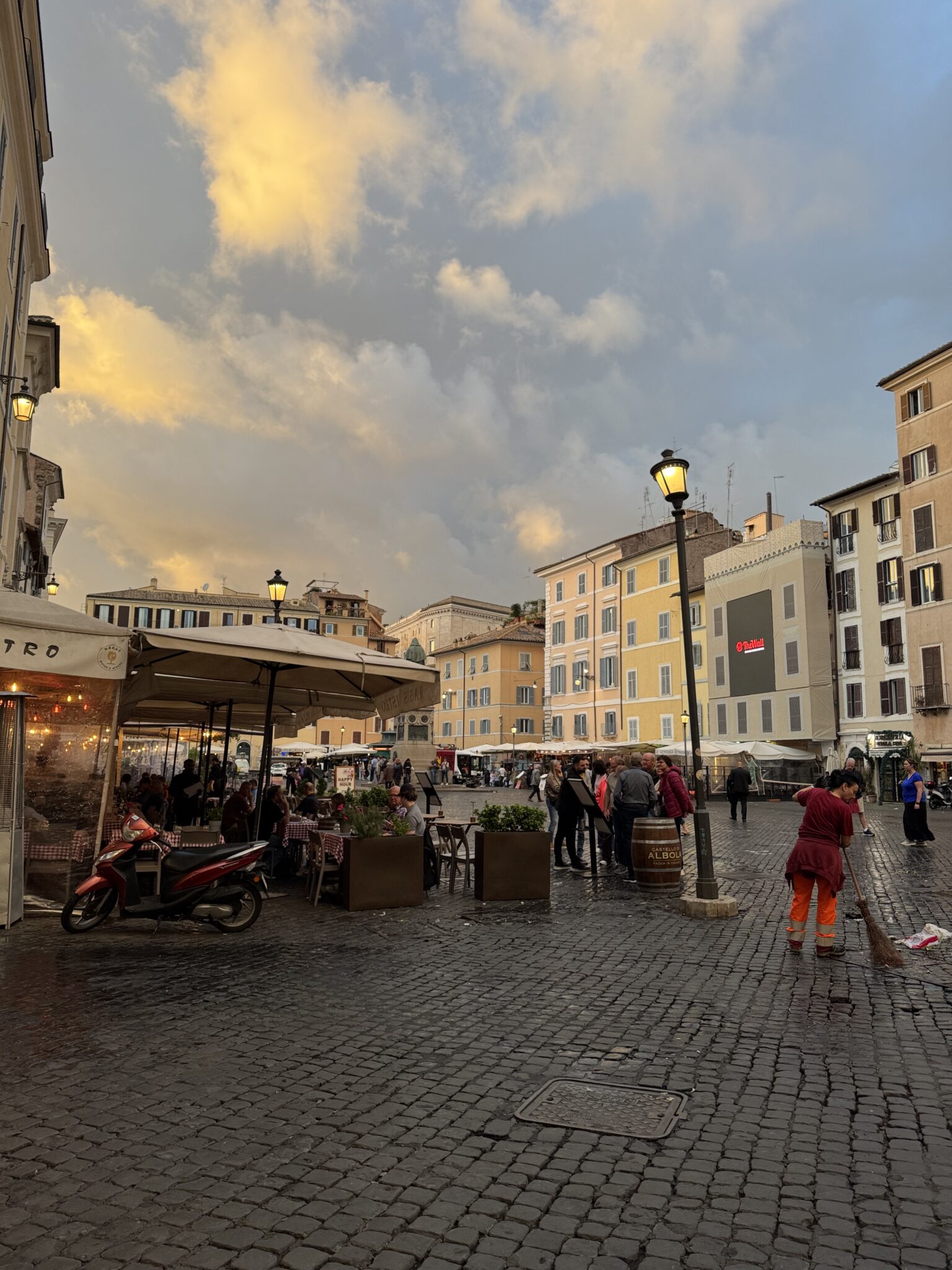
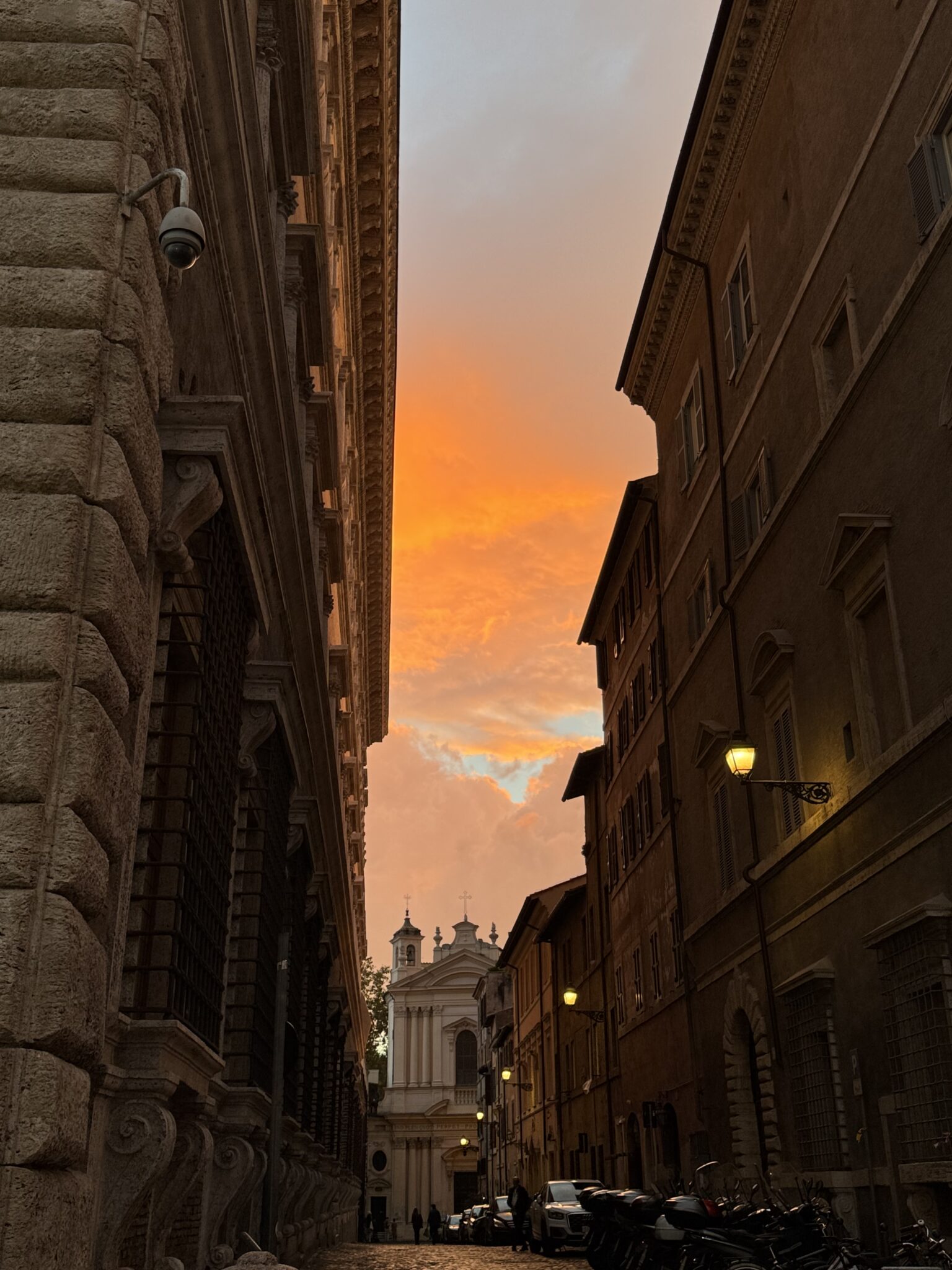
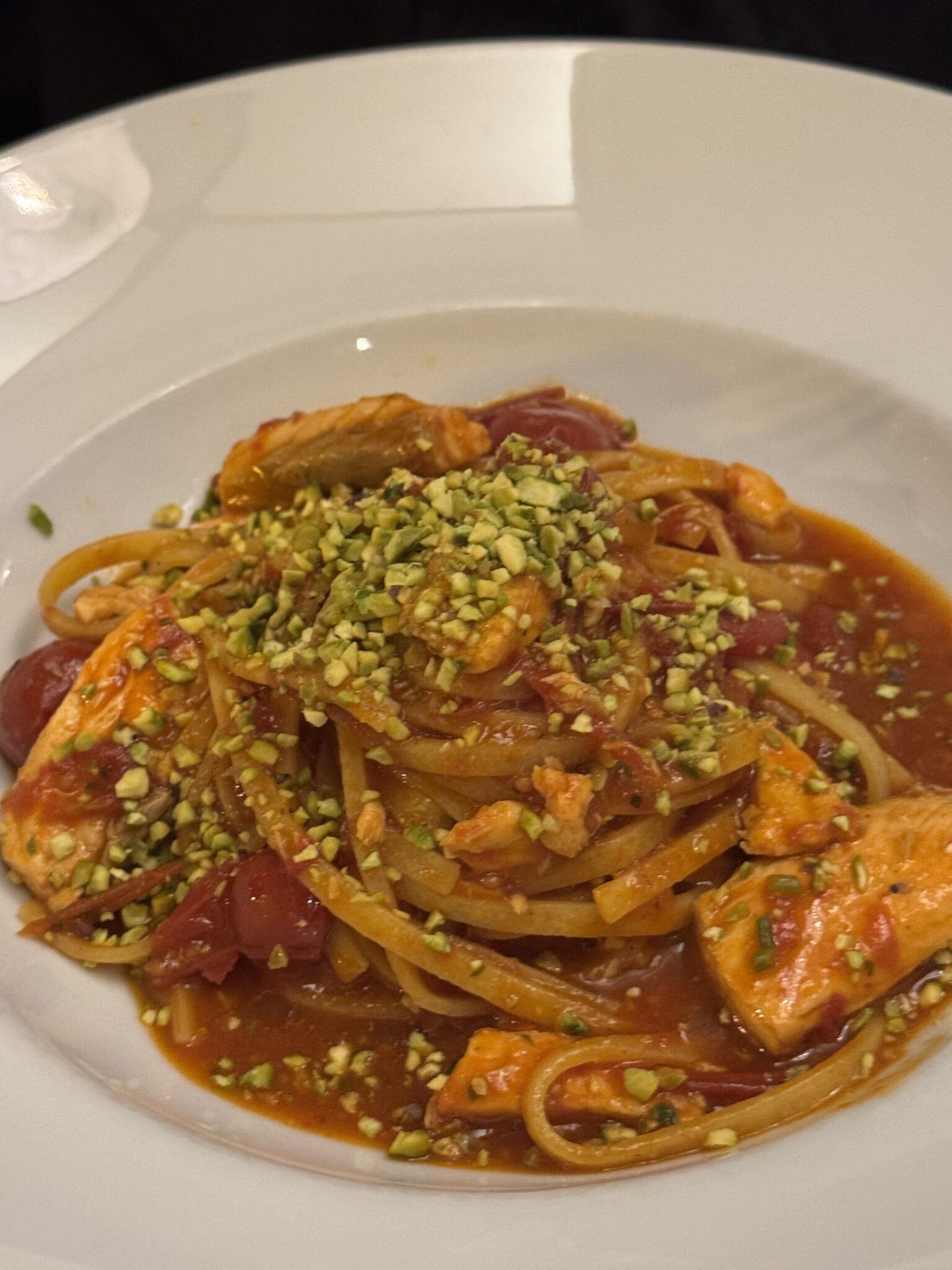
I’ve been out a couple of times with friends who are in town, meeting some new priests as well. Some of the dishes…
This pasta has, clearly, tomato, but also salmon and pistachios.
I went away from the place’s strengths to try something I’ve not had for a while… nope. Not again. Cotoletta alla milanese. Way too breaded and with parmigiana. Nope nope nope.
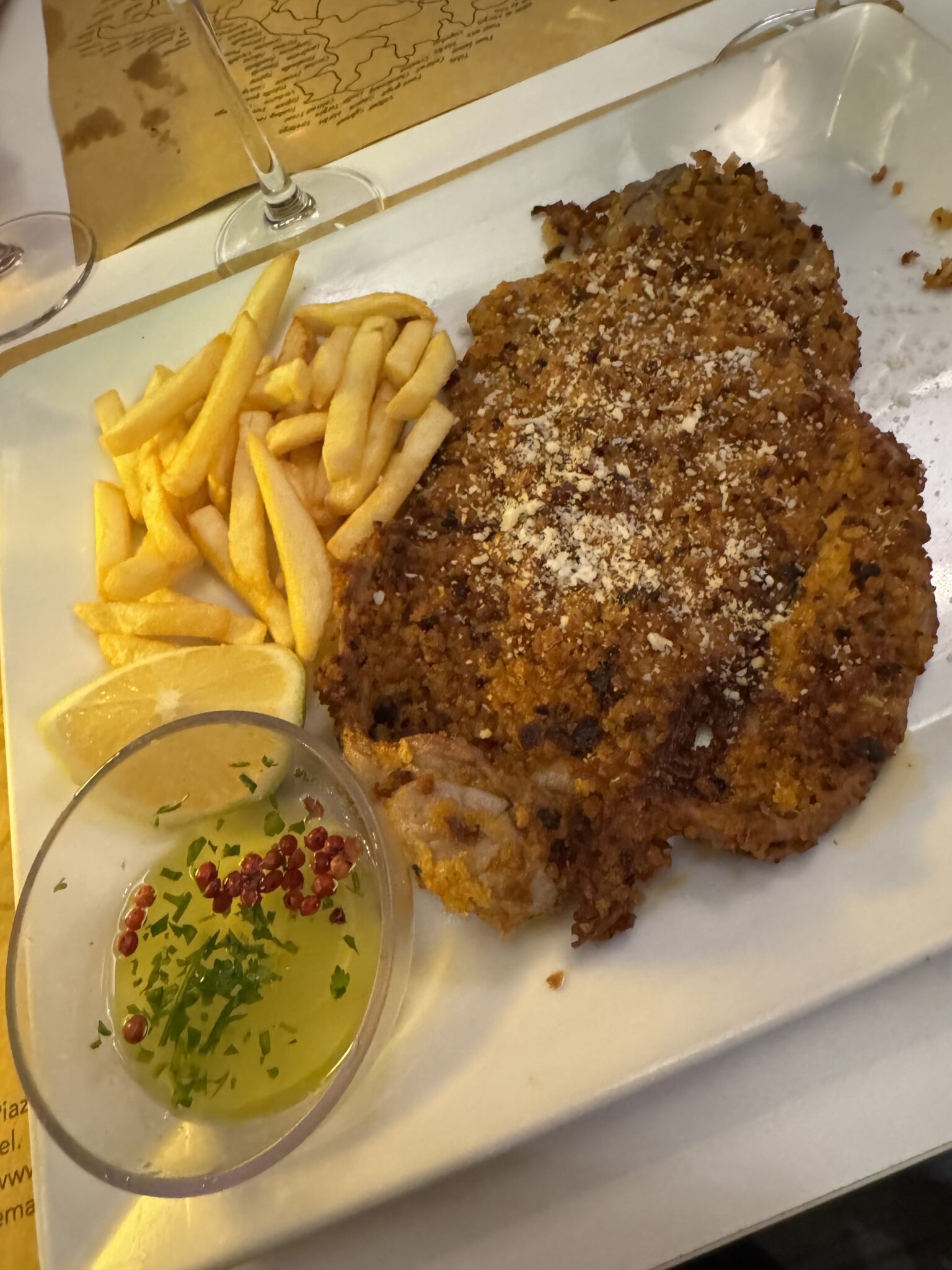
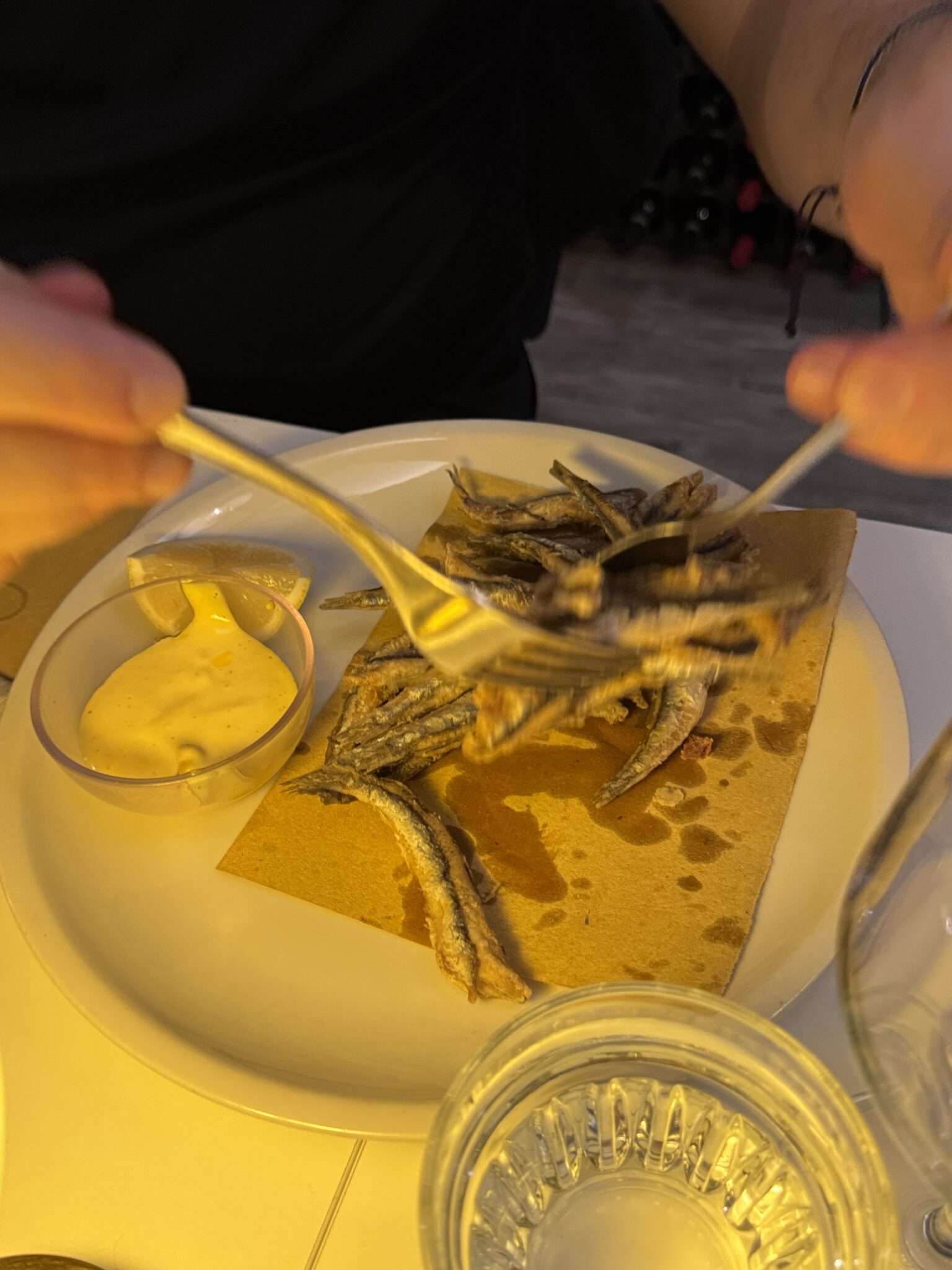
Fried anchovies. Yes yes yes,
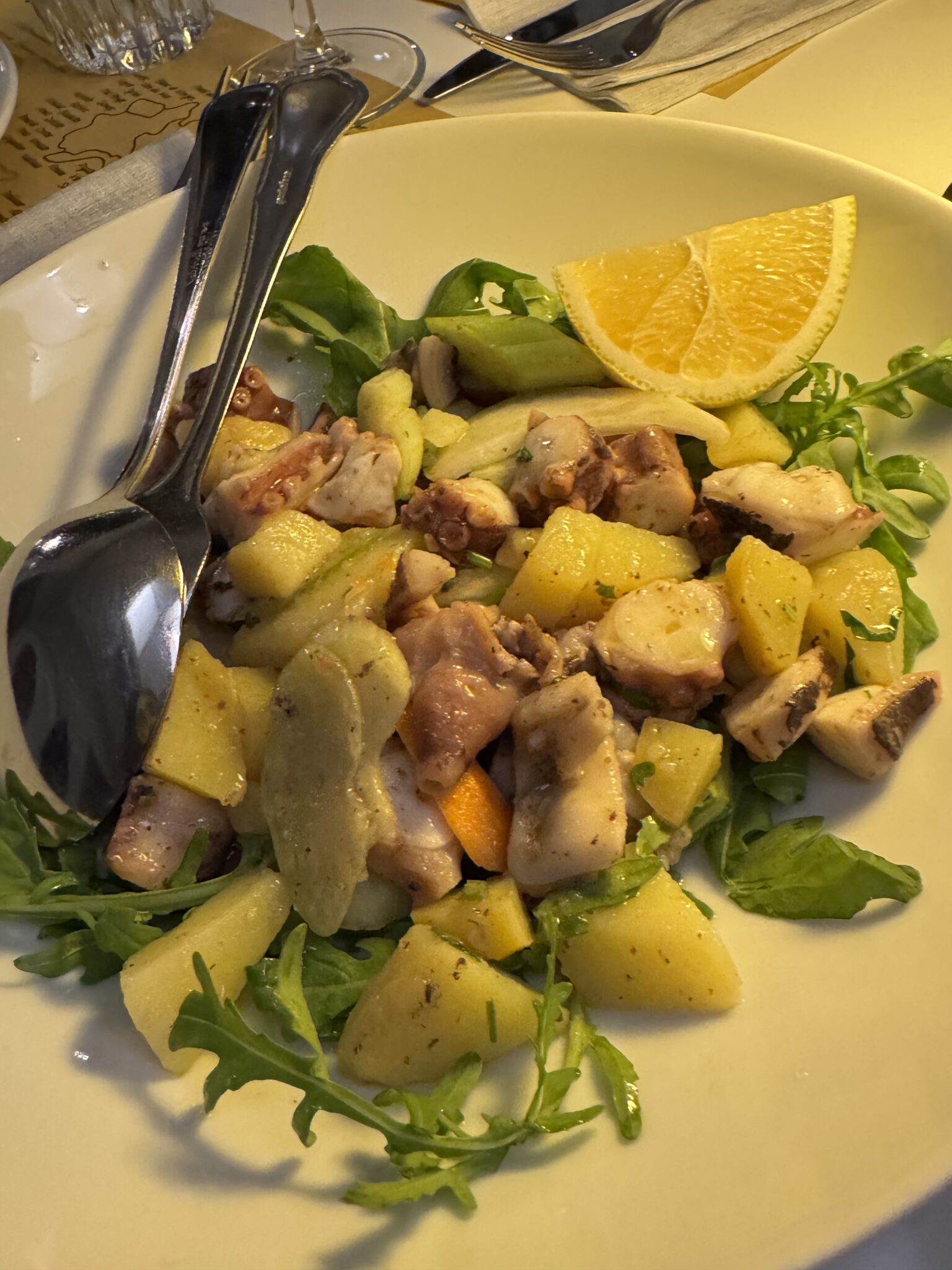
Octopus salad
Walking about today I ran into the neighborhood cockatoo, named Coco.
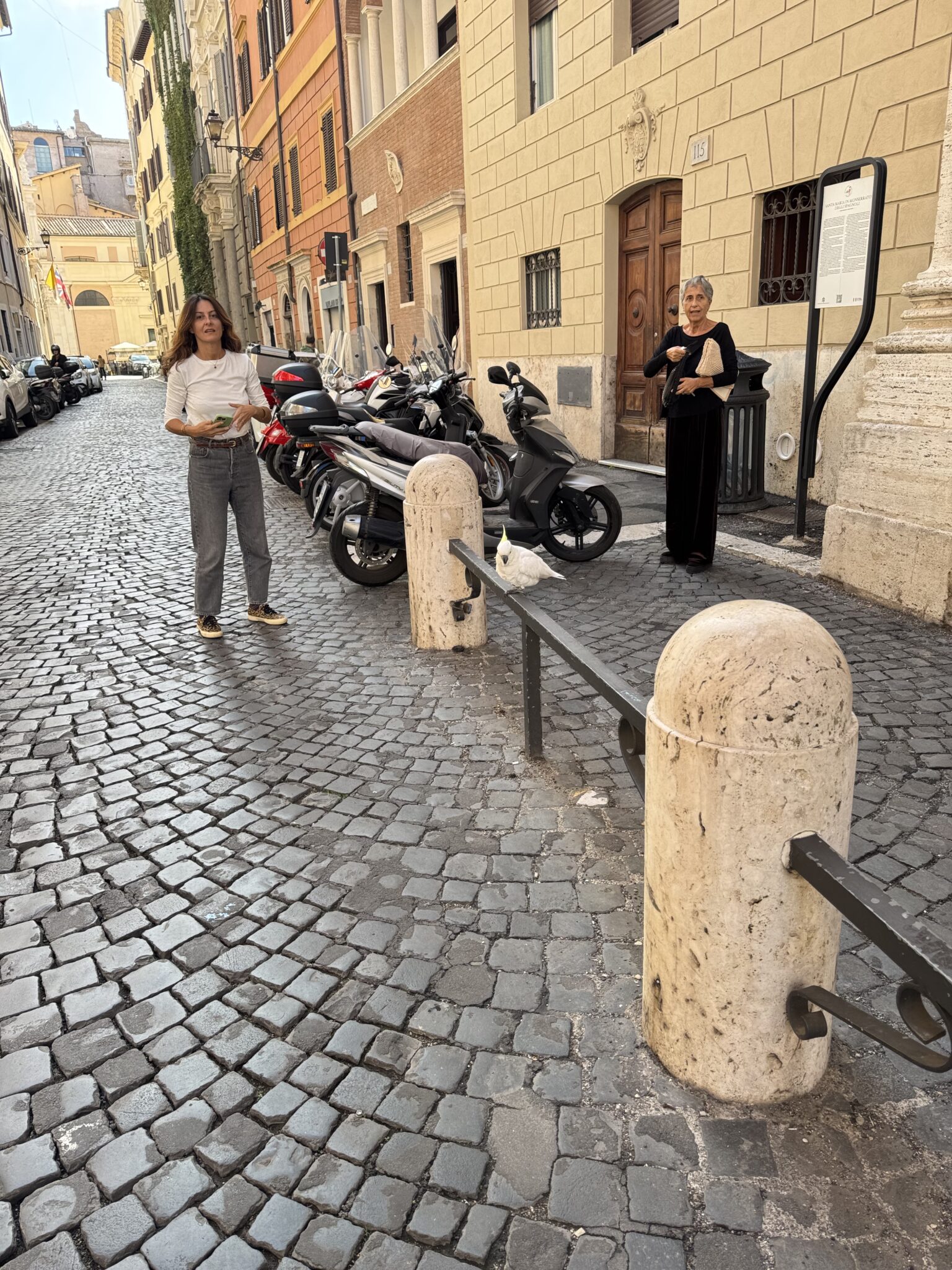
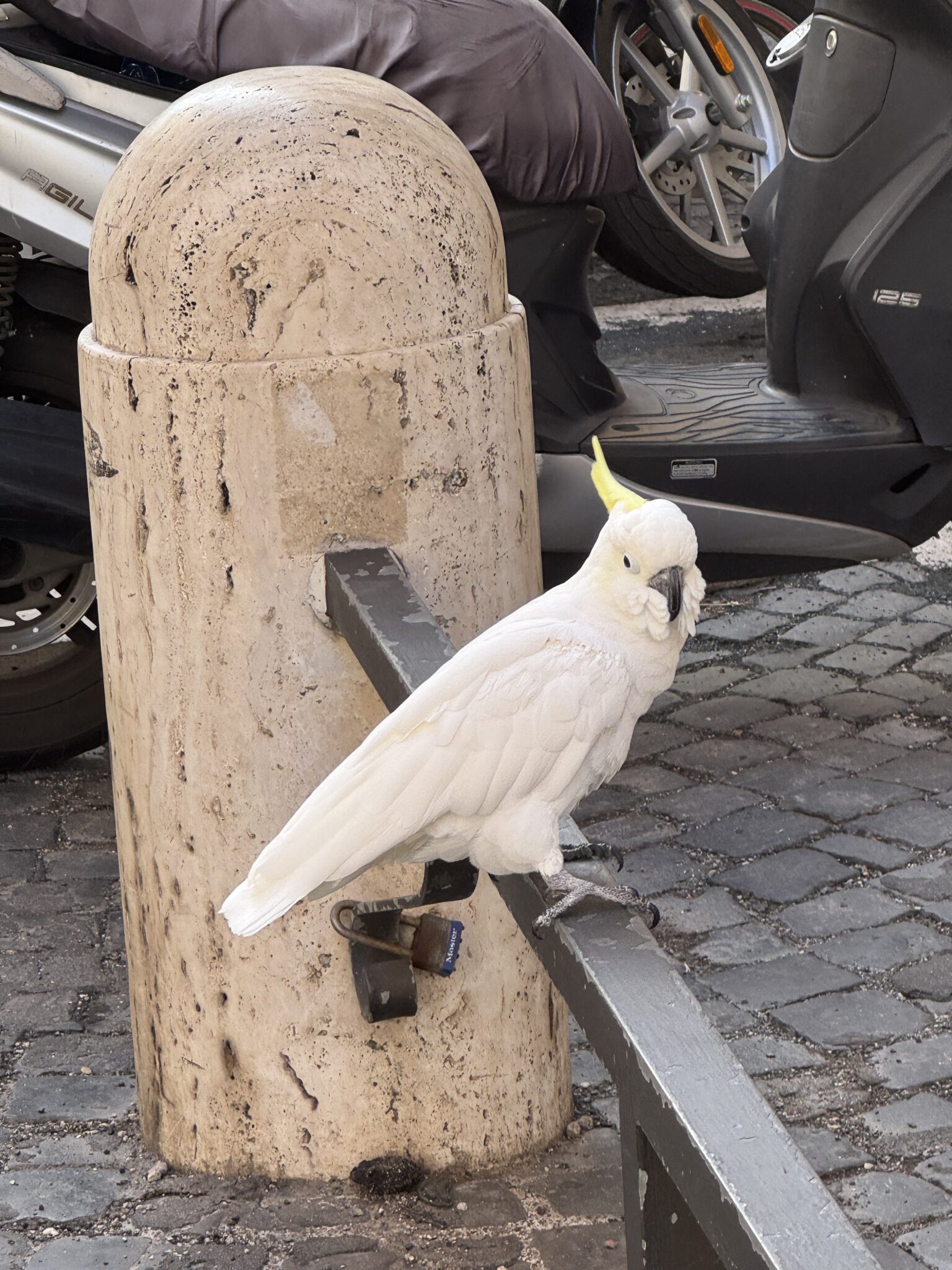
She makes quite a racket when she wants to.
This was across from my realtor where I had an appointment to get my place renewed for a while and pay some utility bills etc.
Sights in the parish. We don’t waste anything.
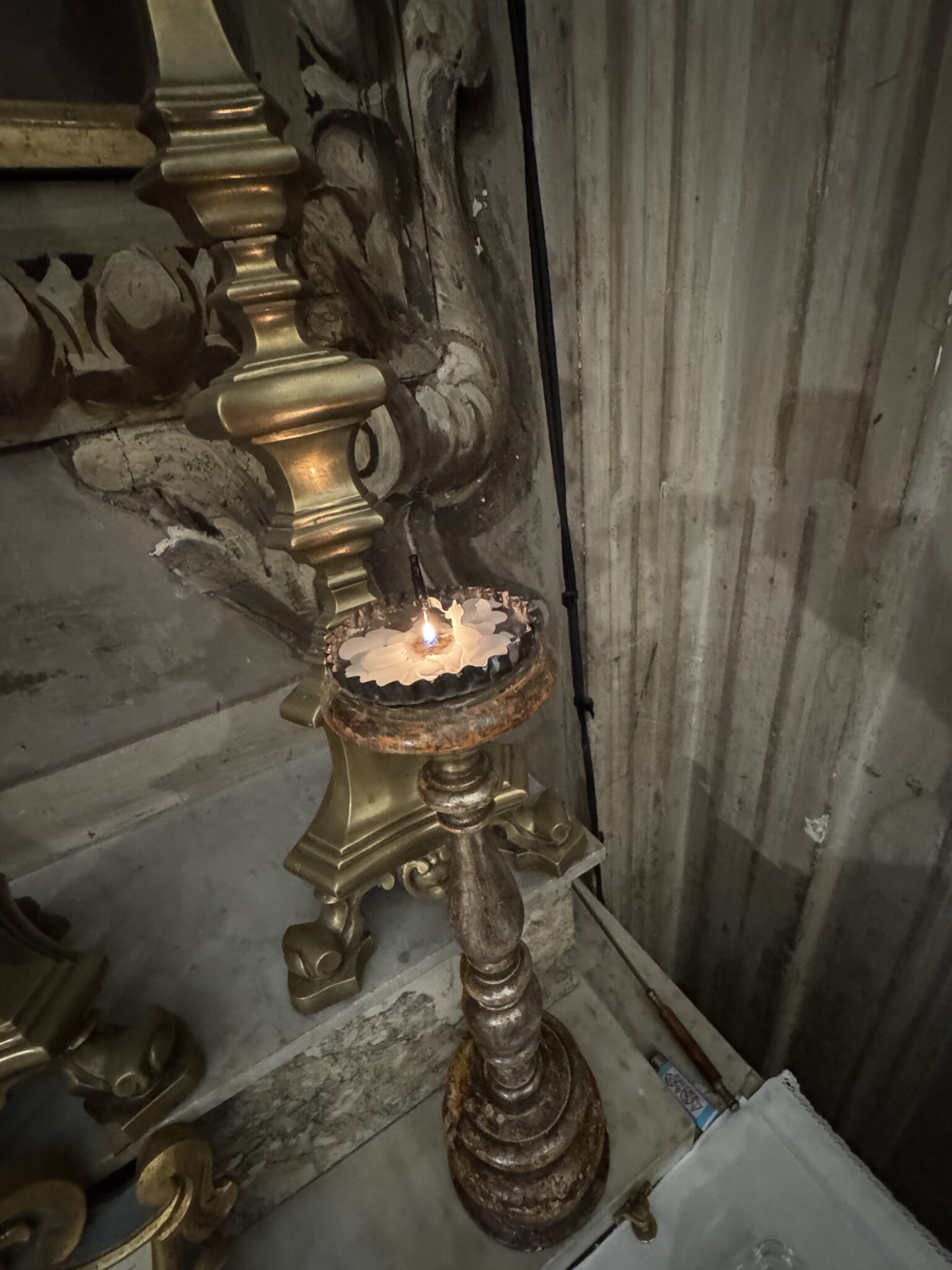
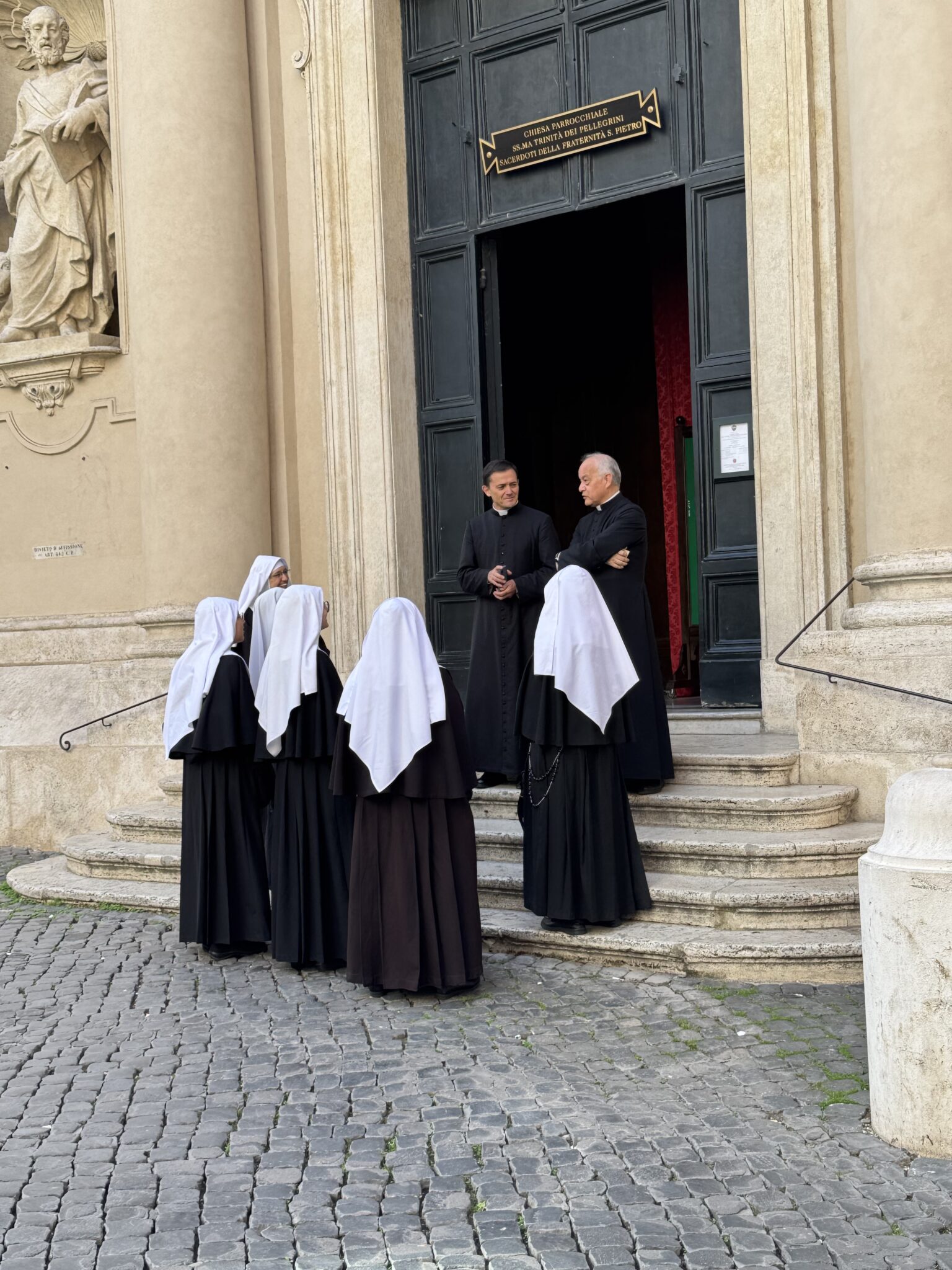
And there’s this…
A bet this was a common request https://t.co/AIqFLL7x5p
— MedievalistMatt (@medievalistmatt) October 22, 2026
Finally
J.R.R Tolkien also translated the Hail Mary, the Our Father and parts of the Litany of Loreto into Elvish. https://t.co/ivVngslPec
— Trad West (@trad_west_) October 22, 2026
White to more. 4.
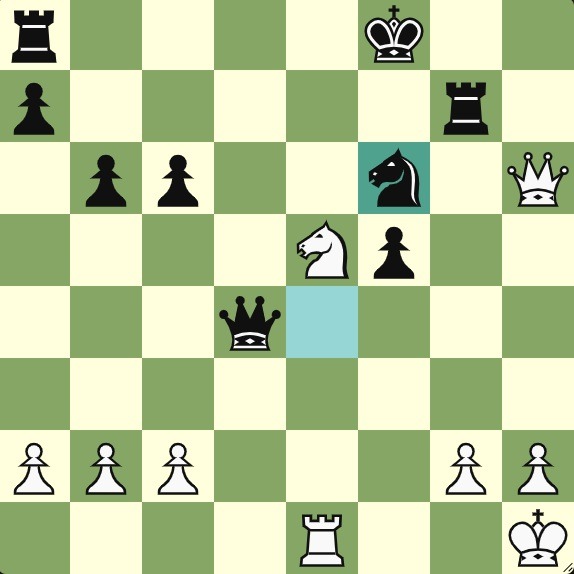
NB: I’ll hold comments with solutions ’till the next day so there won’t be “spoilers” for others.
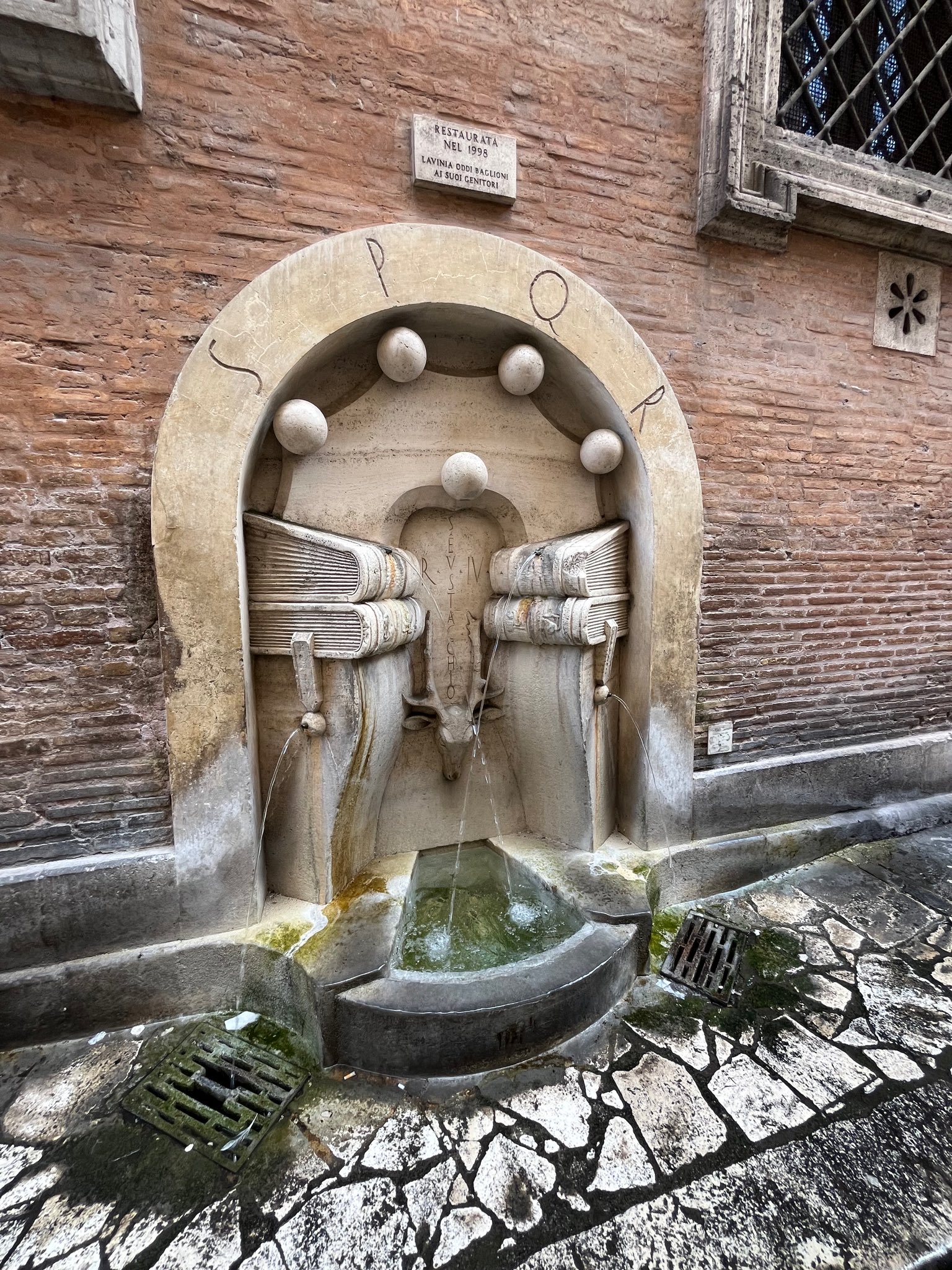 Each of the “rioni” or districts of Rome have a characteristic fountain put in place in the 1920s. They have some symbol, pertinent to the area, such as this one, which has books for the original site of the Sapienza University and the stag’s head for the Church of St. Eustachio, which saint gives the name to the Rione. The books once has Fascist symbols, later chiseled off.
Welcome Registrant:
magar
Meanwhile…
Sr Mary Barron has renewed her activism for a female diaconate this week
She told EWTN that:
“women today may hear the call to priesthood.
Some of the great women saints heard that call also.
So for me, it’s how do we within the Church facilitate that discernment?” https://t.co/TcAYScCfeq— Michael Haynes 🇻🇦 (@MLJHaynes) October 21, 2026


Coat of Arms by D Burkart
 OrdainedButStillbeingFormedDiakonos on ROME 26/10– Day 25: King things: “While I am from the home of the Tampa Bay Rays and indeed saw a game or two at the…”
 on My Annual St Crispin’s Day roundup with Henry V speech!: “A Very Happy Saint Crispin’s Day to you, Fr. Z. With grateful thanks for the magnificent Service that you undertake…”
 on ROME 26/10– Day 25: King things: “Great story on Yount ! Thank you Father. Yount and Paul Molitor were tough to beat.”
 on Your Sunday Sermon Notes – Feast of Christ the King (N.O.: 30th Ordinary): “NO Replying to a question from a lawyer Christ states “Thou shalt love the Lord thy God, etc . .…”
 on My Annual St Crispin’s Day roundup with Henry V speech!: ““We few. We happy few. … You know your places. God be with you.”” on ROME 26/10– Day 25: King things: “It should be noted that Bob Uecker’s lifetime batting average against Sandy Koufax was .400.”
 on Summorum Pontificum Pilgrimage 2026… *sigh*… Vatican Bars Annual TLM Pilgrimage from ENTERING St. Peter’s Basilica: “https://x.com/MountainButorac/status/2114352253251297776?s=20”
 on My Annual St Crispin’s Day roundup with Henry V speech!: “Father, while I do cherish this annual tradition, I believe your post to be incomplete without a reference to the…”
A Daily Prayer for Priests








They find you a pro-life agent in your area who commits to giving a portion of the fee to a pro-life group!

PLEASE subscribe via PayPal if it is useful. Zelle and Wise are better, but PayPal is convenient.
A monthly subscription donation means I have steady income I can plan on. I put you my list of benefactors for whom I pray and for whom I often say Holy Mass.
In view of the rapidly changing challenges I now face, I would like to add more $10/month subscribers. Will you please help?
For a one time donation...



Help Monks in Wyoming (coffee – UPDATED LINK) and Norcia (beer) and the wonderful "Soap Sisters" of Summit, NJ!


Please follow me on Twitter!










Visits tracked by Statcounter
since Sat., 25 Nov. 2006: