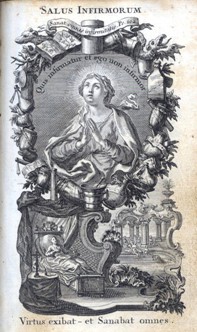
Lately I have almost every day been adding orations from the Votive Mass “pro infirmis” during my celebration of Holy Mass. The orations from that Mass are poignant. Here is the Secret:
Deus, cuius nutibus vitae nostrae momenta decurrunt: suscipe preces et hostias famuli tui, pro quo (famulae tuae, pro qua) aegrotante misericordiam tuam imploramus; ut, de cuius periculo metuimus, de eius salute laetermur. Per Dominum.
Latin nutûs is a “nod” or else “command”. The image is that it as every thing which occurs, occurs because God wills it with an omniscient and omnipotent nod the head. Momentum can can a brief period of time, but another meaning is “a particle sufficient to turn the scales”. Decurro is from de + curro (to run), hence, “run through, down, out”. I have in my minds eye the picture of a clepsydra or an hour-glass with sand running through, each grain willed to exist and to slip away with a nod of God’s head. Multiply by … everything that exists but especially the lives of every living person.
O God, by whose noddings the moments of our lives run their course, accept the prayers and sacrifices of Your servant for whom in illness we are begging Your mercy, so that we may rejoice about the safety of the one for whose danger we were afraid.
This is what Bl. Ildefonso Schuster has to say about the formulary for Masses for the Sick. My emphases:
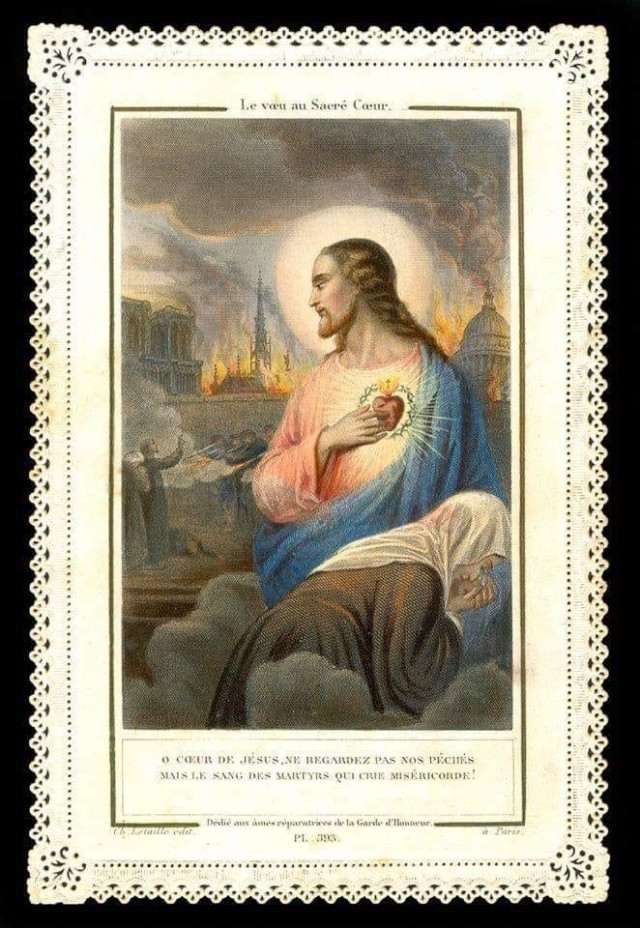
A man’s last hour is solemn and decisive. Upon that moment depends not only his eternity but the very efficacy of the Saviour’s Passion, of the sacraments received by the dying man throughout his lifetime, of a treasure of divine graces and love bestowed on a wretched creature. Jesus stands beside the deathbed, for the salvation of that soul is the fruit of redemption and the Sacred Heart yearns to win it. The Church, filled with the spirit of Christ, cannot be indifferent when the last hours of the wayfarer in this land of exile have arrived, and she does all that is in her power to co-operate with the divine Redeemer, in saving the souls of the dying, by the ritual de visitatione infirmorum, by establishing pious confraternities for a holy death under the patronage of St Joseph, by indulgenced prayers, and by Masses offered for those about to die. Of all the poor and needy who have a right to our compassion, the souls of the dying are surely those who are in the most dangerous state, even more so than the souls in Purgatory. The latter are sure of their eternal salvation, whereas the souls of the dying, by reason of the assaults of Satan, are in the greatest danger. This is one of the reasons why the divine mercy, besides the many spiritual remedies offered by the Church to the sick, was pleased to institute a special sacrament to ensure their eternal salvation in that last awful moment, and to enable them to die peacefully in the arms of God. The sacrament of Penance is the sacrament of spiritual regeneration, and that of Extreme Unction is the final purification and perfection of the Christian.
There is an important difference between the sacraments of Penance and Anointing. Penance, or Reconciliation, is, like Baptism, a “sacrament of the dead” while Anointing and all the others are “sacraments of the living”. That is to say that “sacraments of the living must be received when you are spiritually alive in the state of grace. Baptism and Penance are received when you are spiritually dead in original or mortal sin.
Make a habit of praying for and helping those who are ailing, especially as the human options we can offer have run their course and only divine grace remains.
Make a habit of examining your conscience and going to confession.
GO TO CONFESSION.




 Loading ...
























I will not keep this post a secret.
Honest theological question here; what you write about the “sacrament of the living” suggests that one needs to be in a state of grace to receive Extreme Unction validly. Now, in checking the Catechism, in 1520 I see that according to the Council of Trent, one of the effects of the sacrament is that “Furthermore, ‘if he has committed sins, he will be forgiven.”‘ Now, in this day and age, I know it is far more usual for priests to anoint, but not give absolution, in extremis, and I have heard it claimed that they don’t really need to absolve because the anointing also removes sin. This is something about which I worry, so I would appreciate if you could, at some point, address this at somewhat longer length. I have seen you write about it before, in brief, but when you have time for a longer explanation, I’d appreciate it.