|
Whan Aprill’s ghost, with shoures late and sly,
Had wash’d the bookes clean of memory,
I, pilgrim poor, to Caunterbury wente,
For mirth and penance, both in one y-meinte.
Our Hoost, that lov’d a tart and learned tale,
Bad me rehearse a storie sherp and stale—
“Nat stale,” quod I, “but yren-hote and bright,
Of chaunged crookes and crozier’d new delight.”
Lo, first there rood a lady, fressh y-mitred,
A Prelatessë, smylende, sleek, and flitred;
“Dame Sarra” y-clept (so singen clerkes thin),
That wrote her crede with goos-quill made of tin—
Full light it scriven was, and soon amendid,
As wind of court or journale list pretendid.
She spak ful softe of “chois” and “autonomie,”
With termes newe y-brouht from Sorbonie;
And whyl she louted low to worldes eares,
She prunèd Doctrine’s thornës into peares.
“Peace! Peace!” quod she, “let conscïence be plaine,”
Yet bade the trump to pipe a courtly strain;
With rochet white and wimple press-release,
She bless’d debate and chrism’d Compromise.
Her crook look’d glauncing as a looking-glasse—
It stered not the sheepe, but check’d the classe.
Anon ther steppeth Reginald, Pole y-hote,
Last Catholike of Cantaur by that lot,
With Rome ful fasten’d in his brest y-stitched,
A martyr’s kin, in exil often pitched.
No tweet he knew, ne pressë for to please,
But Latin psalm and penitential knees;
His pall was gravë cloth, nat stage’s lawn,
His signet: tears that water’d England’s dawn.
He banquetteth not with noveltie for sauce,
But serveth Truth, tho’ garlanded with loss;
His “yea” was yea, his “nay” a nailèd nay,
As Peter’s barque did round the headland sway.
“Good Dame,” quod Pole (I herd it in my dreem),
“Thy woordës trippe as swallows at the streme;
But Faith, that once for all delyverèd,
Abhorreth gloss where blood is newly shed.
Lo, mother Church is nat a merchaunt’s stall,
To weigh the lambs by market’s festival;
Nor may a crook, y-shap’d of courtly reed,
Grow green by praysing weeds for wheaten seed.”
She smyled—O sleek curteisye of our age!—
And turn’d her pastorellë to a page;
“Sir Cardinal,” quod she, “be debonaire:
We play at synod; every voice a chair.
The world is wyde, and many tents are spred;
Let lex caritatis cover all that’s said.”
Thus, with a bow that might a sceptre bend,
She grac’d the gate and never touch’d the end.
But I, that am a pilgrim mean and thin,
In alehouse light I mark’d the jingling din:
How verity, that simple, sharp, and spare,
Sat like a widow, hooded, on a chair;
And Policy, that wanton curate spry,
Danc’d ringës round her with a moral eye.
The Host, that loveth sauce of quick desport,
Cried, “Knight! Clerk! Nun! Bring forth a brisk report—
Which crozier keepeth crookëd backes more straite:
The oken staff, or scepter varnish’d late?”
Then spak an olde Plowman by the fire:
“Whan fields ben thynne and wolves to foldes enquire,
The shepherd’s craft is not to please the moon,
But cry ‘Avaunt!’ and break the robber soon.”
“Y-wis,” quod I, “and he that loveth peace
Must hold his peace to Martyr’s master-piece.”
Envoy:
Go, litel balade, with thy pricky style,
And aske the learned for to bide a while;
If any stomak quake at ironie,
Pray hem remembre Pole’s fidelitie:
For Canterbury’s stones—tho’ kingdoms vary—
Know who did blede, and who but bade to tarry.
And if thou finde a crook that’s made of glass,
Crave grace of God—lest everie wolf may pass.
|
When April’s ghost, with late and crafty showers,
had washed the books clean of memory,
I, a poor pilgrim, went to Canterbury
for merriment and penance, both together.
Our Host, who loved a sharp, learned tale,
bade me tell a story, “sharp yet stale.”
“Not stale,” said I, “but iron-hot and bright—
of altered crooks and newly crosiered delights.”
Look—first there rode a lady, newly mitred,
a Prelatess, smiling, sleek, glittering;
called “Dame Sarah” (so these thin-nerved clerks sing),
who wrote her creed with a tin goose-quill—
written very lightly, soon amended,
whenever courts or journals changed their wind.
She spoke very softly of “choice” and “autonomy,”
with new terms shipped in from the Sorbonne;
and while she bowed low to the world’s ears,
she trimmed the thorns of Doctrine into soft pears.
“Peace! Peace!” she cried, “let conscience be plain,”
yet bade the trumpet play a courtly tune;
in white rochet with a press-release for wimple,
she blessed debate and anointed Compromise.
Her crozier shone like a looking-glass—
not steering sheep, but managing the audience.
Soon there stepped Reginald—called Pole—
the last Catholic Archbishop of Canterbury;
Rome was stitched fast within his breast,
kin to martyrs, often flung into exile.
He knew no tweets, nor flattered the press—
only Latin psalms and penitential knees.
His pall was grave-cloth, not theatrical lawn;
his seal: the tears that watered England’s dawn.
He did not feast with novelty as sauce;
he served the Truth, though crowned with loss.
His “yea” was yea; his “nay,” a nailed nay—
as Peter’s barque swung round the headland.
“Good Lady,” said Pole (I heard it in a dream),
“Your words flit like swallows over the stream;
but the Faith, once for all delivered,
abhors fine gloss where blood lies fresh.
Behold—Mother Church is no merchant’s stall,
to weigh her lambs by market holidays;
nor can a crook, shaped from courtly reeds,
turn green by praising weeds as wheat.”
She smiled—O the sleek courtesy of our age!—
and turned her pastoral staff into a page;
“Sir Cardinal,” she said, “be debonair:
we play at synod—every voice gets a chair.
The world is wide; many tents are spread;
let the law of charity cover all that’s said.”
Thus, with a bow that could bend a scepter,
she graced the threshold, never reaching the substance.
But I—a lean, lowly pilgrim—
in tavern light watched the jangling din:
how Truth, simple, sharp, and spare,
sat like a hooded widow on a chair;
while Policy, that frisky little curate,
danced circles round her with righteous eyes.
The Host, who loves a quick, spicy sport,
cried, “Knight! Clerk! Nun! Give us a brisk report—
which crozier straightens crooked backs more:
the oaken staff, or the newly varnished scepter?”
Then an old Plowman spoke by the fire:
“When fields grow thin and wolves nose round the folds,
the shepherd’s art is not to please the moon,
but shout ‘Begone!’ and smash the thief at once.”
“Indeed,” said I, “and he who loves peace
must submit his calm to the Martyr’s masterpiece (the Cross).”
Envoy:
Go, little ballad, with your prickly style,
and ask the learned to linger for a while;
if any stomach quakes at irony,
beg them remember Pole’s fidelity:
for Canterbury’s stones—though realms may change—
know who bled, and who merely counseled delay.
And if you find a crozier made of glass,
ask God for grace—lest every wolf slip past.
|




 Loading ...




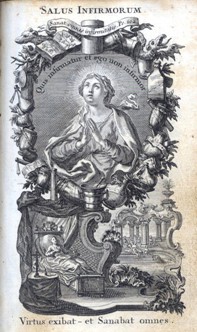

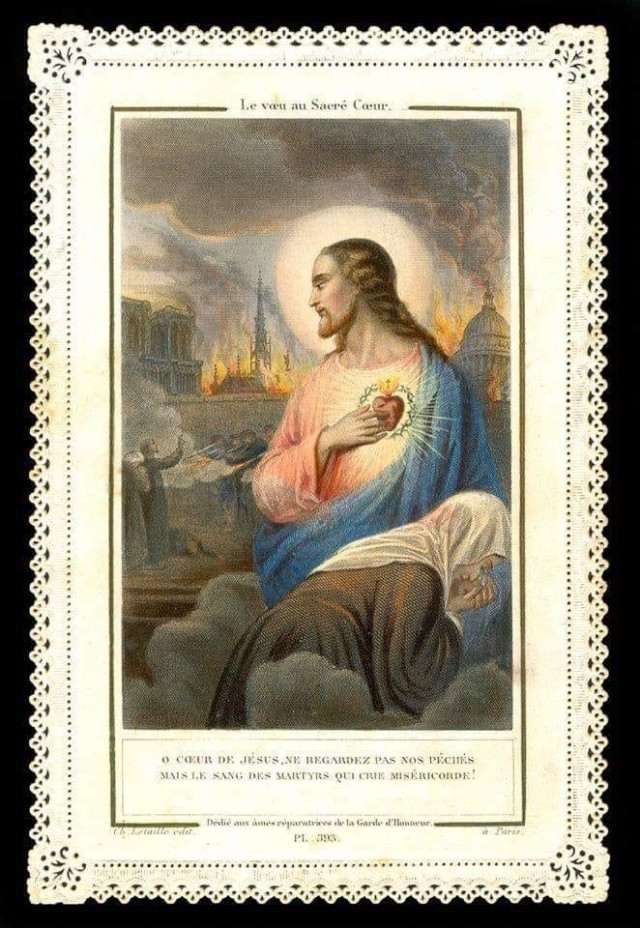



















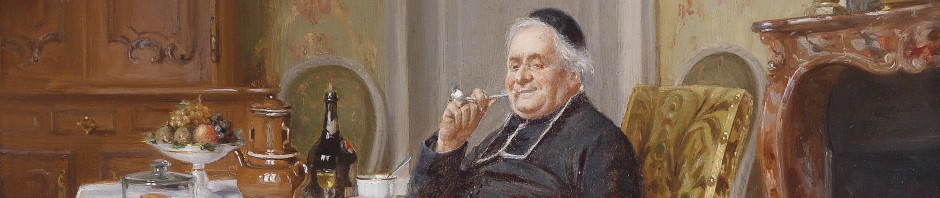
Great beard! Would look good on you Fr. Z.
Well flattr’d be th’ghost-like contenace of our poet fine
Geoffrey, says I, of the Angle kine.
We can laugh at the absurd self-demolition of the Church of England which has finally reached its apotheosis with the election of this “Archbishopess of Canterbury. ” But, sadly, we on the other side of the Tiber are in no position to throw stones nor to gloat nor to feel the least bit self-satisfied. The very same forces of liberalism and modernism and apostasy that have destroyed the C of E are at work in our own Church. Where we see disaster, too many of our clergy and hierarchs see a blueprint for the future. They look at the C of E, and they see not apostasy and horror but rather an aspirational model: institutionalized liberalism, female ordination, acceptance of LGBT, acceptance of abortion, same-sex-“marriages,” same-sex married clergy, etc. etc. No, they don’t intend to implement all of this at once. It’ll be a gradual thing. First, they want us to change attitudes. And then to tolerate sin. And then to welcome sin. And finally to celebrate sin. And tragically, this mentality goes all the way to the top. Pray for the conversion of our apostate leaders.
Sadly, the whole rotten edifice of the CofE continues to totter on life support.
It’s best to pretend it doesn’t exist and refer to the Cardinal Archbishop of Westminster as the Primate of All England (sadly, a title not recognised for +Westminster by the Catholic Church as well).
Just waiting over here in Blighty for the child abuse and bullying scandals during Sarah M’s reign of the Diocese of London to come out.
Don’t get what the fuss is about, layman gets replaced by laywoman to be pretend-bishop of an “ecclesial community”
I can only muster two quick thoughts:
1.) Even the Pythons would never have dared to go this far; 2.) At least she’s not a Druid – as far as we know – a la Rowan Williams!
Our Lord told us to remove the log in your own eye before worrying about the twig in your brother’s eye. I think we Catholics need to “fix” our own Church first before worrying about the institutional errors of other churches.
Pray for the orthodoxy of the Catholic Church and pray for others to find their way to the Church.
One gets the impression that Canterbury is trying to prove something, as if to say: “We do this because we can.” What bridges are built here? What cause is there for Christian unity? More of its members will leave the Anglican Communion, especially in the United States, and even more especially in Africa. The Ordinariates will have a field day. I just hope they can handle the deluge.
Anglican ministers are protected by equal-rights legislation just as much as any other employee of the British state.
The very same forces of liberalism and modernism and apostasy that have destroyed the C of E are at work in our own Church.
Yes, but with one key difference. We are the One, Holy, Catholic and Apostolic Church founded by Christ which has survived for over 2000 years and was assured by Christ himself that the gates of Hell shall not prevail against it. The Church of England was started by an evil heretical king who was mad the Catholic Church wouldn’t give him what he wanted so he threw a tantrum.
One glorious day, when the “Church” of England returns to the Catholic fold, they will look back on all this with shame and remorse.
Sadly David, I fear you are very wrong about a stampede to the Ordinariate. The deluge will be more like tumbleweed! The response from Forward in Faith has been very sanguine. They have their fig leaf of a code of practice and are happy with it! There is no common teaching or communion left in the Anglican ‘communion.’ it’s every parish for itself. yet again I am profoundly grateful that I am no longer a member!
Princess Margaret was seriously looking into converting to traditional Catholicism. I was hoping that it would happen in my Missal there is a prayer for their British monarch. I wasn’t wishing it, but if Elizabeth had passed, Margaret will become the queen and once again we’d have a Catholic monarch, but in the end, Margaret said she couldn’t do that to her sister and convert to Catholicism. God helped their souls.
Sorry Not but under the Act of Settlement 1701 the Monarch has to be a member of the Church of England so if Princess Margaret had converted to Catholicism she would have automatically excluded herself from becoming Queen had anything happened to Queen Elizabeth before she had a child. Once Queen Elizabeth had a child that child automatically became next in line to the throne
Some random thoughts:
Yes, it is sad to see the CofE’s race to the bottom, but there are plenty of things wrong in our own Church. Let us pray they won’t become the norm. Solid priests and bishops, not least the Holy Father, need our prayers that they may persevere. (The less than solid ones need our prayers too, but for different reasons.)
Archcosplay, lady in costume, I can agree with all that. But, judging by the picture above, in terms of vestments the archbishopette-elect looks more the part than many Catholic bishops. We must do better.
I think this was planned a long time ago. Her becoming the CofE Bishop of London (the third ranking CofE prelate), and now being appointed Archbishop of Canterbury, is not likely to be a coincidence.
I like the good Cardinal’s beard, it looks very manly.
I have not enjoyed nearly enough of the poetry of the Scottish Chaucerians, but am delighted with this evidence that there are still Chaucerians at work! (Come to think of it, I suppose Tolkien was another recent one, since he made Chaucer’s use of northern dialect more accurate than any of the surviving sources, when he played Chaucer on the stage, reciting the “Reeve’s Tale” by heart – as I recently learned from Tolkien on Chaucer, 1913-1959 (OUP, 2024).)
Ben,
As you may recall, the late Father John Hunwicke posted an interesting article on his blog on 18 July 2009 entitled “When is a Primate not a Primate?” about the the vicissitudes of the Coat of Arms of the See of Westminster – and of Cardinal Heenan’s use of “Primas Angliae” in signing the documents of Vatican II. Happily, it is still there to be read online by anyone interested.